
.jpeg)
Is lymphoma a solid tumor or a non-solid tumor?
Lymphoma is a malignant tumor originating from the lymphatic system, mainly including Hodgkin lymphoma (Hodgkin Lymphoma) and non-Hodgkin lymphoma (Non-Hodgkin Lymphoma). The lymphatic system is part of the immune system and consists of lymph nodes, lymphatic vessels, and other tissues. Different from solid tumors (such as lung cancer, breast cancer, etc.), lymphoma is a non-solid tumor because it usually does not manifest as a local mass but is characterized by abnormal proliferation and spread of lymphocytes.
Non-solid Tumors (Non-solid Tumors) are mainly malignant tumors related to the blood system, including leukemia, lymphoma and multiple myeloma. These tumors are not limited to a specific organ or form a distinct mass, but spread widely through the blood or lymph fluid. The main symptoms of lymphoma patients are lymph node enlargement, systemic symptoms (such as fever, night sweats, weight loss) and abnormal immune function.
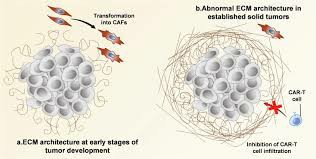
Solid tumors are tumors that originate from solid organs or tissues (such as the lungs, liver, breast) and usually form a well-defined mass. Lymphoma originates from lymphocytes, and its proliferation pattern is more systematic and can easily affect multiple parts of the body, such as the liver, spleen, bone marrow, etc. In addition, the treatment of solid tumors usually focuses on surgical resection, radiotherapy and local therapy, while the treatment of lymphoma mainly focuses on systemic chemotherapy, targeted drugs and immunotherapy.
Although lymphoma is not a solid tumor, it may form a mass-like lesion in some patients, especially in the lymph nodes or spleen. These lesions are often called "neoplastic masses", but this does not change their essential properties of non-solid tumors. In addition, a small number of aggressive lymphomas may spread to the central nervous system or bone marrow, further emphasizing their systemic nature.
The non-solid nature of lymphoma makes its research and treatment different from that of solid tumors. For example, targeted drugs (such asBTKinhibitors) and immunotherapy (such asCAR-Tcell therapy) have shown significant advantages in the treatment of lymphoma. At the same time, molecular diagnostic technology plays a crucial role in lymphoma classification and treatment decisions. With medical advancement, the cure rate and survival rate of lymphoma have improved significantly.
(Click to view an introduction to drugs for the treatment of solid tumors.)
xa0
Reference materials
National Cancer Institute - Lymphoma Overview
https://www.cancer.gov/types/lymphoma
[ 免责声明 ] 本页面内容来自公开渠道(如FDA官网、Drugs官网、原研药厂官网等),仅供持有医疗专业资质的人员用于医学药学研究参考,不构成任何治疗建议或药品推荐。所涉药品可能未在中国大陆获批上市,不适用于中国境内销售和使用。如需治疗,请咨询正规医疗机构。本站不提供药品销售或代购服务。


