
.jpeg)
10 early symptoms of melanoma
Melanoma is a malignant tumor derived from melanocytes. Its early symptoms are often subtle and difficult to detect. Although there are currently no specific drugs that can directly target the early symptoms of melanoma, early detection and timely intervention are crucial to improving the survival rate of patients.
The early symptoms of melanoma may not be obvious, but you can still find some clues if you look closely. Often, the first sign of melanoma is a change in an existing mole or the appearance of a new spot. These changes may include abnormalities in color, size, shape, etc. The color of the mole may change, showing different tones or becoming mottled and uneven; the size of the mole may gradually increase, especially moles with a diameter exceeding 6 mm, which requires vigilance; the shape of the mole may become irregular, with blurred edges, or even asymmetry. In addition, a raised area may appear on the surface of the mole, or may be accompanied by symptoms such as itching and bleeding.
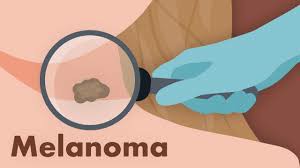
In addition to the common changes listed above, melanoma may cause symptoms in other locations. For example, dark spots may appear under the nails, on the lining of the mouth, vagina, or anus. These spots may gradually increase in size, become darker, and cause pain or discomfort. Although these symptoms are not necessarily specific to melanoma, their occurrence should arouse sufficient attention from patients.
It is important to note that new moles and spots may appear and may change during childhood, adolescence, and pregnancy due to changes in hormone levels in the body. This is a normal physiological phenomenon and is usually nothing to worry about. However, for adults, if new spots or moles suddenly appear, or if existing moles change significantly, they should seek medical attention promptly for professional examination.
Early symptoms of melanoma may be unusual and easily overlooked. Therefore, regular skin self-examination and paying attention to any abnormal changes on the skin are important means to prevent melanoma. At the same time, avoid prolonged exposure to the sun, especially at noon, and take protective measures such as applying sunscreen, wearing a sunhat and sunglasses when going out to reduce the risk of melanoma. Once you notice abnormal changes on your skin, you should seek medical attention immediately for early diagnosis and treatment.
(Click to view an introduction to drugs used to treat melanoma.)
xa0
Reference link:https://www.cancer.org.au/cancer-information/types-of-cancer/melanoma
[ 免责声明 ] 本页面内容来自公开渠道(如FDA官网、Drugs官网、原研药厂官网等),仅供持有医疗专业资质的人员用于医学药学研究参考,不构成任何治疗建议或药品推荐。所涉药品可能未在中国大陆获批上市,不适用于中国境内销售和使用。如需治疗,请咨询正规医疗机构。本站不提供药品销售或代购服务。


