
.jpeg)
The difference between melanoma and nevus
Melanoma and nevus, two seemingly similar skin lesions, actually have significant differences in nature, causes, clinical manifestations, prognosis and treatment methods. First of all, we need to be clear that there are currently no specific drugs that can directly prevent or cure melanoma, but through early detection, timely diagnosis and scientific treatment, the survival rate of patients can be significantly improved.
What melanoma and moles have in common is that they are both caused by excessive proliferation of melanocytes, the pigment-producing cells of the skin. Melanocytes are important cells in the skin that produce melanin, which gives the skin its color, and protect it from UV rays. However, when melanocytes proliferate excessively, moles or melanoma may form.
Common nevi, also known as common or classic acquired melanocytic nevi, are benign tumors composed of normal melanocytes. They usually appear as small black spots or brown spots on the skin, regular in shape, clear borders, uniform in color, and moderate in size. Black moles are extremely common among people, and almost everyone has several or even dozens of them. Most moles are harmless and do not require special treatment, but a small number of moles may undergo malignant transformation and transform into melanoma when affected by factors such as friction, stimulation, or ultraviolet radiation.
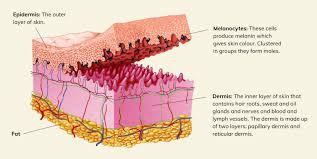
In contrast, melanoma is a highly malignant tumor that originates from malignant melanocytes. Melanoma cells have abnormal morphology, rapidly proliferate, and are invasive and metastatic. It may originate from an existing mole or it may form a new lesion directly on the skin. Melanoma lesions usually appear as melanin plaques or nodules on the skin, with uneven colors, blurred borders, irregular shapes, and varying sizes. As the disease progresses, melanoma may grow rapidly, rupture, bleed, and form ulcers. In addition, melanoma may also metastasize to other parts of the body through the lymphatic and blood systems, such as lymph nodes, lungs, liver, brain, etc., posing a serious threat to the patient's life.
In terms of clinical manifestations, melanoma is significantly different from ordinary moles. Melanoma lesions are usually more conspicuous, darker in color, blurred in border, and more irregular in shape, and may be accompanied by symptoms such as itching, pain, and bleeding. Common moles, on the other hand, are usually asymptomatic and remain the same for many years.
In terms of prognosis, melanoma is much more malignant than common moles. The prognosis of melanoma depends on many factors such as the stage of the disease, the patient's age, gender, physical condition, and treatment methods. Early detection, timely diagnosis and scientific treatment are the keys to improving the survival rate of melanoma patients. Ordinary moles usually do not require special treatment unless they are located in an area prone to friction or damage, or have a tendency to become malignant.
In terms of treatment, melanoma treatments include surgical resection, radiotherapy, chemotherapy, immunotherapy and targeted therapy. Specific treatment options need to be determined based on the patient's specific circumstances. Common moles usually do not require treatment unless they are unsightly or pose a risk of malignancy.
In short, although melanoma and nevus are both caused by excessive proliferation of melanocytes, they have significant differences in nature, causes, clinical manifestations, prognosis, and treatment methods. For any suspicious lesions on the skin, we should remain vigilant and seek professional medical examination and diagnosis promptly.
(Click to view an introduction to drugs used to treat melanoma.)
xa0
Reference link:https://bhskin.com/blog/mole-vs-melanoma/
[ 免责声明 ] 本页面内容来自公开渠道(如FDA官网、Drugs官网、原研药厂官网等),仅供持有医疗专业资质的人员用于医学药学研究参考,不构成任何治疗建议或药品推荐。所涉药品可能未在中国大陆获批上市,不适用于中国境内销售和使用。如需治疗,请咨询正规医疗机构。本站不提供药品销售或代购服务。


