
.jpeg)
What type of cancer does urothelial cancer belong to?
Urothelial Carcinoma, also known as bladder cancer, is a cancer derived from urothelial cells. Urothelial cells are the cells that line the lining of various parts of the urinary tract, such as the bladder, renal pelvis, ureters, and urethra. This type of cancer usually affects the epithelial tissue in these areas, so it is sometimes called bladder urothelial cancer, renal pelvis urothelial cancer, etc., depending on where the cancer occurs.
Urothelial carcinoma is a malignant tumor formed by mutations and abnormal proliferation of urothelial cells (i.e., cells in the urethra, bladder, renal pelvis, and ureters). It is the most common type of bladder cancer, accounting for more than 90% of all bladder cancer cases. Urothelial cancer can not only appear in the bladder, but also in the kidneys, ureters, urethra and other parts of the body, manifesting different clinical symptoms.
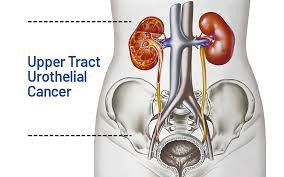
Urothelial cancer is different from many cancer types in that it is an epithelial cell carcinoma and is also classified as a malignant tumor. It is usually related to smoking, chemical exposure, family history and other factors. Unlike stomach, lung, or colon cancer, urothelial cancer specifically refers to cancers that affect the lining of the urothelium. It is a common cancer worldwide, especially among middle-aged and older men.
The exact cause of urothelial cancer is not fully understood, but research shows that smoking is one of the major risk factors for urothelial cancer. Other risk factors include exposure to certain chemicals (such as aniline dyes), long-term use of certain medications, chronic urinary tract inflammation, and genetic susceptibility. With changes in lifestyle and environmental factors, the incidence of urothelial cancer has a certain upward trend.
The diagnosis of urothelial cancer usually relies on imaging examinations (such asCT, ultrasound), cystoscopy, urine cytology and pathological biopsy. Early detection and treatment of urothelial cancer can significantly improve patient survival rates. Treatment usually includes surgical resection, chemotherapy, immunotherapy, and radiotherapy. The treatment plan is customized based on the type and stage of the cancer and the patient's health condition.
(Click to view an introduction to drugs for the treatment of urothelial cancer.)
xa0
Reference materials:
National Cancer Institute. Urothelial Carcinoma.
https://www.cancer.gov/types/bladder/patient/bladder-treatment-pdq
[ 免责声明 ] 本页面内容来自公开渠道(如FDA官网、Drugs官网、原研药厂官网等),仅供持有医疗专业资质的人员用于医学药学研究参考,不构成任何治疗建议或药品推荐。所涉药品可能未在中国大陆获批上市,不适用于中国境内销售和使用。如需治疗,请咨询正规医疗机构。本站不提供药品销售或代购服务。


