
.jpeg)
What does urothelial cancer include?
Urothelial cancer (Urothelial Carcinoma) is a cancer that occurs in the urothelial cells and usually involves urinary tract organs such as the bladder, urethra, renal pelvis, and ureters. Urothelial cancer can occur in both men and women, but is more common in men. The following are the main parts and related content involved in urothelial cancer:
1.Bladder urothelial cancer: The bladder is the most common site of urothelial cancer, accounting for approximately 90% of all urothelial cancer cases. This type of cancer usually starts in the epithelial cells lining the bladder (called urothelial cells) and causes hematuria (blood in the urine), urinary urgency, frequency, and discomfort during urination. Risk factors for bladder urothelial cancer include smoking, long-term exposure to chemicals, and certain genetic mutations.
2.Renal pelvis urothelial cancer: Renal pelvic urothelial cancer is less common, but it is also a type of urothelial cancer and occurs in the renal pelvis of the kidney (the part where urine flows from the kidney into the ureter). Symptoms of this type of cancer include hematuria, low back pain, weight loss, and nausea, and are often similar to urothelial cancer of the bladder. Early diagnosis is difficult, and patients often develop obvious symptoms only after the disease progresses.
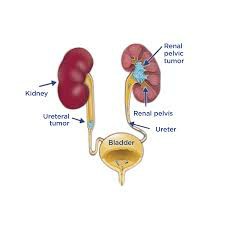
3.Ureteral urothelial cancer: The ureter is the tube that connects the kidneys and the bladder. Although urothelial cancer in the ureter is rare, it is also a type of urothelial cancer. Symptoms may include hematuria, renal colic, frequent urination, and difficulty urinating. Risk factors for urothelial cancer of the ureter are often similar to those for bladder cancer, such as smoking, drug or chemical exposure.
4.Urethral urothelial cancer: Urethral urothelial cancer is another manifestation of urothelial cancer. It usually presents with urethral bleeding, frequent urination, painful urination, urethral mass, etc. Urothelial carcinoma of the urethra is rare, but when it occurs, it can have a significant impact on a patient's quality of life. This type of cancer is generally more common in men and may be related to chronic inflammation, sexually transmitted diseases, or long-term exposure to certain chemicals.
The clinical manifestations of urothelial carcinoma depend on where it occurs. Common symptoms include hematuria, urinary frequency, urgency, painful urination, and discomfort in the urethra or pelvic area. Symptoms may not be obvious in the early stages, so many patients are not diagnosed until the disease has progressed. Diagnosis usually relies on urine cytology, imaging examinations (such asCT, ultrasound), and cystoscopy.
(Click to view an introduction to drugs for the treatment of urothelial cancer.)
xa0
Reference materials:
National Cancer Institute. Urothelial Carcinoma.
https://www.cancer.gov/types/bladder/patient/bladder-treatment-pdq
[ 免责声明 ] 本页面内容来自公开渠道(如FDA官网、Drugs官网、原研药厂官网等),仅供持有医疗专业资质的人员用于医学药学研究参考,不构成任何治疗建议或药品推荐。所涉药品可能未在中国大陆获批上市,不适用于中国境内销售和使用。如需治疗,请咨询正规医疗机构。本站不提供药品销售或代购服务。


