
.jpeg)
What causes urothelial cancer?
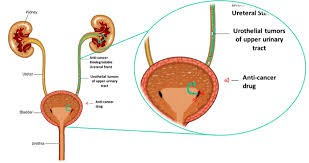
Urothelial cancer (Urothelial Carcinoma) is usually caused by a combination of environmental factors, lifestyle factors, and genetic factors. This type of cancer usually occurs in the epithelial cells of the urinary tract, including the bladder, ureters, renal pelvis, and urethra. The following are possible major causative factors for urothelial cancer:
1.Smoking: Smoking is one of the greatest known risk factors for urothelial cancer. After harmful chemicals in tobacco are excreted through urine, they will directly contact urothelial cells, causing cellDNA damage and mutation, thus increasing the risk of cancer. Studies have shown that smokers are more than three times more likely to develop urothelial cancer than non-smokers, especially those who smoke heavily for a long time.
2.Chemical Exposure: Long-term exposure to certain chemicals is also an important risk factor for urothelial cancer. These chemicals include aniline dyes, certain solvents and chemical raw materials, which are commonly found in work environments. For example, workers in the petroleum industry, chemical plants, and dye manufacturing plants are more likely to be exposed to these harmful substances, increasing the risk of urothelial cancer. Many harmful chemicals can enter the body and be excreted through urine, stimulating urothelial cells.
3.Chronic cystitis and urinary tract infection: Long-term chronic cystitis and urinary tract infection may increase the risk of urothelial cancer. Chronic inflammation may cause mutations in urothelial cells, thereby increasing the chance of cancer. Frequent urinary tract infections or bladder irritation, in particular, can lead to repeated damage to the epithelial cells of the urethra and bladder, which may eventually develop into cancer.
4.Genetic susceptibility and family history: The occurrence of urothelial cancer may be related to genetic factors. Patients with a family history of urothelial cancer are at higher risk of developing the disease. Although the genetic mechanism of urothelial cancer is not fully understood, some gene mutations, such as TP53gene and HRASgene mutations, have been found to be closely related to the occurrence of the disease. These genetic factors may promote the occurrence of cancer by affecting the repair mechanism of cells or increasing the rate of cell division.
(Click to view an introduction to drugs for the treatment of urothelial cancer.)
xa0
Reference materials:
National Cancer Institute. Urothelial Carcinoma.
https://www.cancer.gov/types/bladder/patient/bladder-treatment-pdq
[ 免责声明 ] 本页面内容来自公开渠道(如FDA官网、Drugs官网、原研药厂官网等),仅供持有医疗专业资质的人员用于医学药学研究参考,不构成任何治疗建议或药品推荐。所涉药品可能未在中国大陆获批上市,不适用于中国境内销售和使用。如需治疗,请咨询正规医疗机构。本站不提供药品销售或代购服务。


