
.jpeg)
What are the targeted drugs for the treatment of urothelial cancer?
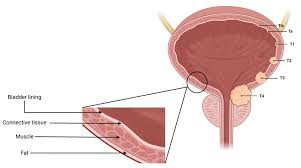
The treatment of urothelial cancer (Urothelial Carcinoma) has made significant progress with the continuous development of medical research, and the application of targeted drugs has played an important role in improving efficacy and reducing side effects. Targeted therapy avoids the widespread impact of traditional chemotherapy on normal cells by precisely targeting specific molecules or genetic mutations in cancer cells. Here are some of the targeted drugs currently used to treat urothelial cancer:
1.Immune checkpoint inhibitors: Immune checkpoint inhibitors are a class of targeted drugs that activate the patient's immune system to recognize and attack cancer cells. For urothelial cancer, especially advanced and metastatic bladder cancer, immune checkpoint inhibitors such as pembrolizumab and atezolizumab have been approved for treatment. They enhance the immune system's anti-tumor response by blocking the PD-1/PD-L1 pathway. These drugs are commonly used in patients with advanced or recurrent urothelial cancer that is inoperable.
2.Epidermal growth factor receptor (EGFR) inhibitors: Erlotinib (Erlotinib) and gefitinib (Gefitinib) is a drug that targets the epidermal growth factor receptor (EGFR) and has been used to treat certain types of cancer, including lung and colorectal cancer. In urothelial cancer, EGFR inhibitors are being studied as treatments, especially in urothelial cancer patients with higher EGFR expression. By inhibiting the activity of EGFR, these drugs inhibit the proliferation and growth of cancer cells.
3.Vascular endothelial growth factor (VEGF) inhibitor: Bevacizumab (Bevacizumab) is an antiVEGF antibody that can effectively control the progression of cancer by inhibiting tumor angiogenesis and blocking the blood supply required for tumor growth. In the treatment of urothelial cancer, bevacizumab has been studied as part of combination therapy, often together with chemotherapy drugs, and has shown certain efficacy in patients with advanced and metastatic urothelial cancer.
4.MEK/ERKpathway inhibitors: The MEK/ERK pathway is an active signaling pathway in many cancers, including urothelial carcinoma. Drugs such as Dabrafenib and Trametinib have been studied to target this pathway and slow tumor growth by inhibiting the MEK/ERK signaling pathway. This class of drugs has shown some efficacy in clinical trials for urothelial cancer, particularly in patients whose tumors have specific genetic mutations.
(Click to view an introduction to drugs for the treatment of urothelial cancer.)
xa0
Reference materials:
National Cancer Institute. Urothelial Carcinoma.
https://www.cancer.gov/types/bladder/patient/bladder-treatment-pdq
[ 免责声明 ] 本页面内容来自公开渠道(如FDA官网、Drugs官网、原研药厂官网等),仅供持有医疗专业资质的人员用于医学药学研究参考,不构成任何治疗建议或药品推荐。所涉药品可能未在中国大陆获批上市,不适用于中国境内销售和使用。如需治疗,请咨询正规医疗机构。本站不提供药品销售或代购服务。


