
.jpeg)
Life expectancy after endometrial cancer surgery
The lifespan after surgery for endometrial carcinoma (endometrial carcinoma) is affected by many factors, including the stage of the cancer, the type of tumor, the patient’s overall health, and post-treatment follow-up and management. Survival after surgery is usually assessed by the five-year survival rate, which reflects how well a patient survives five years after diagnosis and treatment.
First, the staging of endometrial cancer plays an important role in postoperative prognosis. Endometrial cancer is generally divided into four stages according to the staging system developed by the International Union against Cancer (UICC) and the Joint Committee on Cancer (AJCC). Tumors detected early (stage I), usually limited to the uterus and have not spread to lymph nodes or other organs, have a five-year survival rate of 80%-90%. For stage II (tumor has invaded the cervix), stage III (tumor has spread to pelvic or abdominal lymph nodes), and stage IV (tumor has spread to other organs), survival rates gradually decrease. Among them, the five-year survival rate for stage III is about 50%; for stage IV, it is usually less than 20%.
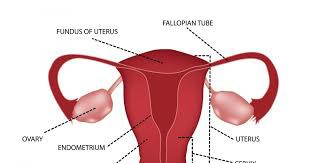
Secondly, tumor type also has a significant impact on prognosis. There are two main types of endometrial cancer: type I (endocrine type, usually slow-growing, estrogen-dependent) and type II (non-endocrine type, usually fast-growing and highly invasive). Type I patients have a higher postoperative survival rate if surgery is performed at an early stage. Relatively speaking, patients with type II disease generally have a lower postoperative survival rate due to their aggressive nature and poor prognosis.
The patient's age and overall health are equally important. Young and healthy women have a better chance of survival with appropriate treatment. Elderly patients or patients with other chronic diseases will face greater challenges in postoperative recovery and survival. In addition, postoperative treatment options also have an important impact on survival rates. In addition to surgery, common adjuvant treatments include radiotherapy, chemotherapy, and hormonal therapy. Depending on the specific situation, doctors will develop an individualized treatment plan. These measures are designed to reduce the risk of recurrence and improve the patient's survival.
(Click to view an introduction to drugs for the treatment of endometrial cancer)
xa0
Reference materials:https://pubmed.ncbi.nlm.nih.gov/26924123/
[ 免责声明 ] 本页面内容来自公开渠道(如FDA官网、Drugs官网、原研药厂官网等),仅供持有医疗专业资质的人员用于医学药学研究参考,不构成任何治疗建议或药品推荐。所涉药品可能未在中国大陆获批上市,不适用于中国境内销售和使用。如需治疗,请咨询正规医疗机构。本站不提供药品销售或代购服务。


