
.jpeg)
What causes endometrial cancer
The pathogenesis of endometrial carcinoma (endometrial carcinoma) is relatively complex and is not yet fully understood. However, research shows that certain known risk factors are closely related to the development of the disease. These risk factors can be divided into factors related to overall health and factors related to gynecological health.
First, being overweight or obese is a significant risk factor for endometrial cancer. Excess fat in the body can lead to elevated estrogen levels because fat tissue produces estrogen, which stimulates the growth of the lining of the uterus and increases the risk of cancer. In addition, people with hypertension and diabetes are also at higher risk, which may be related to metabolic syndrome, insulin resistance, and subsequent hormonal imbalances.
Age is also an important risk factor. The incidence of endometrial cancer increases significantly in women after the age of 50, especially in postmenopausal women. This is because ovarian function decreases after menopause, resulting in reduced progesterone levels in the body, and continued estrogen stimulation can thicken the endometrium, which may eventually lead to cancer. Meanwhile, taking tamoxifen, a drug used to treat breast cancer, is also thought to be associated with an increased risk of endometrial cancer.
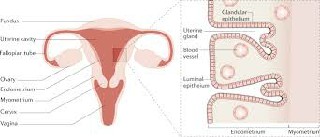
Secondly, factors related to gynecological health are equally important. For example, women with endometrial hyperplasia have significantly thickened endometrium, a condition that may develop into cancer if not treated promptly. Early menarche (before the age of 12) or late menopause (after the age of 55) will also prolong the stimulation time of estrogen on the endometrium, thereby increasing the risk of cancer. In addition, women who use estrogen replacement therapy without progesterone may also be at risk without the right balance.
Reproductive history is also a key factor. Women who have never been pregnant, especially during their childbearing years, are at higher risk for endometrial cancer. This may be related to hormonal changes during childbirth, because pregnancy can induce the production of progesterone in the body, which helps regulate the growth and shedding of the endometrium. In patients who have received pelvic radiation therapy to treat other cancers, the lining of the uterus is also affected by radiation, increasing the risk of cancer.
In addition, women with polycystic ovary syndrome (PCOS) are often accompanied by long-term estrogen exposure due to endocrine disorders, and are also considered to be a high-risk group for endometrial cancer. Patients with Lynch syndrome (hereditary nonpolyposis colorectal cancer, HNPCC) are also at significantly increased risk due to their genetic characteristics.
In summary, while the exact causes of endometrial cancer still require further research, by identifying and reducing the risk factors listed above, women can take proactive steps to protect their health. Changing your lifestyle, maintaining a healthy weight, and getting regular checkups to detect potential problems early can help reduce the risk of endometrial cancer. Therefore, understanding your own risk factors and having in-depth communications with your doctor to develop personalized prevention strategies are health management components that every woman should pay attention to.
(Click to view an introduction to drugs for the treatment of endometrial cancer)
xa0
References:https://www.healthdirect.gov.au/endometrial-cancer
[ 免责声明 ] 本页面内容来自公开渠道(如FDA官网、Drugs官网、原研药厂官网等),仅供持有医疗专业资质的人员用于医学药学研究参考,不构成任何治疗建议或药品推荐。所涉药品可能未在中国大陆获批上市,不适用于中国境内销售和使用。如需治疗,请咨询正规医疗机构。本站不提供药品销售或代购服务。


