
.jpeg)
What are the efficacy and effects of lorlatinib?
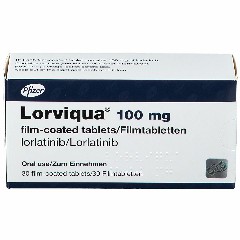
Lorlatinib (Lorlatinib) is a drug that specifically targets ALK (anaplastic lymphoma kinase) and ROS1 (C-rosproto-oncogene1) mutated third-generation tyrosine kinase inhibitor (TKI). It is mainly used to treat ALKpositive or ROS1positive advanced or metastatic non-small cell lung cancer (NSCLC). Lorlatinib occupies an important position in targeted therapy, especially in treatment resistance and brain metastasis. It has become an important drug in the treatment of ALK-positive non-small cell lung cancer.
Main functions and functions
1.Inhibition of ALK and ROS1 driven cancer progression
The mechanism of action of lorlatinib is based on inhibiting the tyrosine kinase activity of the ALK and ROS1 gene fusion proteins. Gene fusion or rearrangement of ALK and ROS1 is a common driver mutation in non-small cell lung cancer (NSCLC), especially in young patients. The presence of these mutations encourages cancer cells to proliferate and spread. By targeting these mutated signaling pathways, lorlatinib prevents the growth, spread and metastasis of cancer cells, thereby inhibiting tumor progression.
2.Effectively combatsALKdrug-resistant mutations
In the treatment of ALKpositive lung cancer, common first- and second-generation ALK inhibitors (such as crizotinib, alectinib, ceritinib, etc.) may Resistance will appear after a period of use, especially resistance caused by mutations such as G1202R and L1196M. Lorlatinib is designed to overcome these resistance mutations and can effectively inhibitALKDrug-resistant mutations in genes delay disease progression. Therefore, lorlatinib is widely recommended as a subsequent treatment option for patients who have failed prior ALK inhibitor therapy or whose disease has progressed.
3.Powerful brain metastasis control
Brain metastasis often occurs in non-small cell lung cancer, and the treatment of brain metastasis has always been a clinical problem. Lorlatinib has strong blood-brain barrier penetration and can significantly improve the condition of patients' brain lesions. Studies have shown that lorlatinib is very effective in treating brain metastases. For patients who still develop brain metastases after treatment with other ALK inhibitors, lorlatinib can effectively control the growth of brain tumors and reduce the number of metastases. Therefore, lorlatinib is an ideal option for patients with brain metastases, especially those who require ongoing targeted therapy.
4.Prolong patient survival and improve quality of life
In multiple clinical studies, lorlatinib has demonstrated significant therapeutic effects. According to clinical trial data, the overall response rate (ORR) of lorlatinib in the treatment of ALKpositive non-small cell lung cancer exceeds 70%, and in patients with brain metastases, the intracranial response rate reaches 80% or more. In addition, lorlatinib has also shown good efficacy in improving patients' quality of life, prolonging progression-free survival (PFS) and overall survival (OS).
Indications
Larlatinib is mainly suitable for the following two types of patients:
1.ALKpositive non-small cell lung cancer (NSCLC): Applicable to patients with advanced or metastatic ALKpositiveNSCLC who are resistant to ALK inhibitor treatment.
2.ROS1positive non-small cell lung cancer (NSCLC): For ROS1positive patients, lorlatinib is also an effective treatment option and can effectively control disease progression.
Effectiveness evaluation
In multiple clinical trials, lorlatinib has shown significant anti-tumor activity. According to Crown 1 and Crown 2 and other clinical trial results, the overall response rate (ORR) ranged from 66% to 74%, with most patients showing rapid tumor shrinkage during initial treatment. Especially in patients with brain metastases, the intracranial response rate of lorlatinib is over 80%, which is significantly better than traditional ALK inhibitors.
Common side effects
Although lorlatinib has shown strong efficacy in treatment, it may also cause some side effects. Common adverse reactions include:
1.High cholesterol and high blood sugar: Lorlatinib may cause increases in blood lipids and blood sugar levels, so regular checks are required during treatment.
2.Nervous system symptoms: such as memory loss, slurred speech, mood swings, etc. Especially during long-term treatment, patients may experience a decline in cognitive function.
3.Weight Gain: Some patients may experience significant weight gain while taking lorlatinib.
Typically, these side effects are reversible and the patient's symptoms can be relieved once the drug dose is adjusted or symptomatic treatment is taken.
Lorlatinib is a third-generation ALK/ROS1tyrosine kinase inhibitor.It has demonstrated excellent efficacy in the treatment of positive and ROS1positive non-small cell lung cancer, especially in overcoming drug-resistant mutations and controlling brain metastasis. It can delay disease progression, improve survival, and significantly improve patients' quality of life. As research on this drug continues to deepen, it is expected that its application in targeted treatment of lung cancer will become more widespread.
xa0
Reference materials
1.ALKTreatment Guidelines for Positive Lung Cancer - https://www.caca.org.cn/
2.American Society of Clinical Oncology (ASCO) Targeted Therapy Guidelines - https://www.asco.org/
3.State Food and Drug Administration Drug Instructions - https://www.nmpa.gov.cn/
4.UpToDateMedical Literature Database - https://www.uptodate.com/
[ 免责声明 ] 本页面内容来自公开渠道(如FDA官网、Drugs官网、原研药厂官网等),仅供持有医疗专业资质的人员用于医学药学研究参考,不构成任何治疗建议或药品推荐。所涉药品可能未在中国大陆获批上市,不适用于中国境内销售和使用。如需治疗,请咨询正规医疗机构。本站不提供药品销售或代购服务。


