
.jpeg)
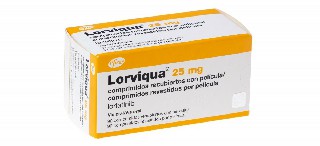
Detailed patient instructions for lorlatinib
Drug name: Lorlatinib (Lorlatinib)
Generic name: Lorlatinib
English name:Lorlatinib
Indications: Lorlatinib is mainly used to treat patients with ALK (anaplastic lymphoma kinase)-positive and ROS1 (C-ros proto-oncogene 1)-positive non-small cell lung cancer (NSCLC). It is indicated for patients whose disease has progressed after treatment with an ALK inhibitor, and for patients with ROS1-positive advanced or metastatic non-small cell lung cancer.
Usage and dosage:
1.Adult patients: The recommended starting dose of lorlatinib is 100mg (1 tablet) per day, taken orally. Patients can choose to take it with food or on an empty stomach, but they need to take it daily.
2.Duration of drug use: Treatment with lorlatinib should continue until tumor progression or intolerable toxicity occurs.
3.Dose adjustment: In the event of serious adverse reactions (such as hyperglycemia, elevated cholesterol, neurological symptoms, etc.), the dosage can be adjusted according to the guidance of a doctor. If adverse drug reactions occur, the dose may need to be reduced to 50 mg or the medication may be suspended until symptoms are relieved.
Medicine contraindications:
1.Contraindicated in patients who are allergic to lorlatinib or any ingredient in the drug.
2.This drug is contraindicated in pregnant women because lorlatinib may cause harm to the fetus. Special caution and consultation with a doctor are required when using it during pregnancy.
Adverse reactions: Common adverse reactions include:
1.Nervous system reactions: memory loss, mood swings, speech difficulties, etc.
2.Metabolic abnormalities: high blood sugar, high cholesterol and weight gain.
3.Pulmonary reaction: Occasionally dyspnea may occur.
4.Digestive system reactions: loss of appetite, nausea, etc. Serious adverse reactions: If allergic reactions such as shortness of breath, swelling, etc. occur, seek medical attention immediately.
Notes:
1.Monitoring: During the use of lorlatinib, patients should regularly monitor blood sugar, cholesterol and other metabolic parameters to detect adverse reactions in a timely manner.
2.Liver function impairment: Patients with hepatic insufficiency need to be careful when using it, check liver function regularly, and adjust the dose according to the patient's condition.
3.Combined use with other drugs: Lorlatinib may interact with other drugs, especially drugs that affect CYP3Aenzyme activity. Inform your doctor about all medications you are using.
4.Drug interactions: Lorlatinib is a CYP3A substrate and therefore interacts with other inhibitors or inducers of CYP3AWhen used together with enzyme-containing drugs (such as ketoconazole, rifampicin), the plasma concentration of lorlatinib may be affected. Patients should avoid using such drugs at the same time, or adjust the dosage under the guidance of a doctor.
Storage:
1.Store lorlatinib in a cool, dry place away from moisture and high temperature.
2.Medicines should be stored sealed and away from children.
Clinical research and efficacy: Lorlatinib has shown significant efficacy in the treatment ofALK-positive non-small cell lung cancer. Clinical studies have shown that lorlatinib has an overall response rate of 66% to 74% in patients with ALK-positive NSCLC. In patients with brain metastases, lorlatinib demonstrated an intracranial response rate of over 80%, significantly better than other ALK inhibitors.
Drugs for special groups:
1.Elderly patients: Elderly patients need to pay special attention to the side effects of the drug when using lorlatinib, especially side effects related to the nervous system.
2.Patients with hepatic impairment: For patients with hepatic impairment, caution should be used when using lorlatinib, and the dose should be adjusted based on liver function.
3.Pregnancy and lactation: Due to the potential risk of lorlatinib to the fetus, pregnant women are prohibited from using this drug; lactating women should avoid its use because lorlatinib may be secreted through breast milk.
Lorlatinib is an effective drug for the treatment of ALK-positive and ROS1-positive non-small cell lung cancer, especially for patients who are resistant to ALK inhibitors. Although it has certain adverse reactions, through reasonable dose adjustment and monitoring, side effects can be effectively controlled and the therapeutic effect improved.
xa0
Reference materials:
1.ALKTreatment Guidelines for Positive Non-Small Cell Lung Cancer - https://www.caca.org.cn/
2.State Food and Drug Administration drug approval number and instructions - https://www.nmpa.gov.cn/
3.UpToDateMedical Literature Database - https://www.uptodate.com/
[ 免责声明 ] 本页面内容来自公开渠道(如FDA官网、Drugs官网、原研药厂官网等),仅供持有医疗专业资质的人员用于医学药学研究参考,不构成任何治疗建议或药品推荐。所涉药品可能未在中国大陆获批上市,不适用于中国境内销售和使用。如需治疗,请咨询正规医疗机构。本站不提供药品销售或代购服务。


