
.jpeg)
What are the adverse reactions of lorlatinib?
Lorlatinib is a third-generation ALK (anaplastic lymphoma kinase) and ROS1 (C-ros proto-oncogene 1) Tyrosine kinase inhibitors are mainly used to treat ALK-positive and ROS1-positive non-small cell lung cancer (NSCLC). Although the drug has shown good efficacy in treating these types of lung cancer, it can also cause a range of adverse effects during its use. Understanding these adverse reactions can help patients and doctors take preventive and response measures when using them.
Common adverse reactions
1.Nervous system symptoms
Memory Impairment: Lorlatinib may cause patients to experience short-term memory impairment or cognitive function decline. Patients may find that they tend to forget details or things in their daily lives.
Mood changes: including depression, anxiety, and mood swings. Mood changes may affect a patient's quality of life, especially after prolonged use of the drug.
Language barrier: Some patients may have difficulty speaking, such as unclear speech or unfluent language expression.
Sensory impairment: Some patients may experience numbness, tingling and other sensory abnormalities.
2.Metabolic abnormalities
Hyperglycemia: Lorlatinib may cause an increase in blood sugar, especially in patients with diabetes or at risk for diabetes. Long-term use requires monitoring of blood glucose levels and treatment adjustments if necessary.
High cholesterol and high triglycerides: Lorlatinib may cause increased cholesterol and triglyceride levels. During the treatment process, patients need to regularly check their blood lipid levels, maintain a healthy diet and lifestyle, and use lipid-lowering drugs for intervention when necessary.
Weight gain: Some patients may experience weight gain, especially during treatment, and weight gain may be associated with edema or increased appetite.
3.Pulmonary reaction
Although the main role of lorlatinib is in the targeted treatment of ALK and ROS1 mutations, some patients may experience symptoms such as difficulty breathing or coughing. These pulmonary reactions are usually mild, but in rare cases may worsen, requiring monitoring of the patient's lung function.
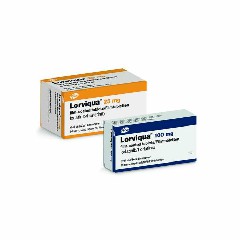
4.Digestive system discomfort
Loss of appetite: Lorlatinib may cause patients to lose appetite, leading to weight loss or malnutrition.
Nausea and Vomiting: Some patients may experience nausea or vomiting, especially early in the medication. These reactions usually improve with adaptation, but may require medications or dietary modifications to alleviate the symptoms in some patients.
5.Skin reaction
Skin rash: Lorlatinib sometimes causes a mild to moderate rash, which usually appears as erythema, papules, or dryness. Most rashes are mild and can be relieved with topical treatments, but in severe cases, medication may need to be adjusted or discontinued.
6.Abnormal liver function
Although rare, some patients may experience an increase in liver function indicators, such as an increase in transaminases (AST, ALT) when taking lorlatinib. Patients should have liver function monitored regularly during treatment, especially in patients with existing liver disease.
7.Other adverse reactions
Headache: A minority of patients may experience headache, especially early in drug treatment.
Eedema: Some patients may develop edema of the extremities or face due to lorlatinib's effect on water balance.
Serious adverse reactions
1.Allergic reaction: A small number of patients may have allergic reactions to lorlatinib, manifesting as skin redness, itching, difficulty breathing or throat swelling. Although serious allergic reactions (such as anaphylactic shock) are rare, if they occur, you should stop medication immediately and seek emergency medical attention.
2.Pneumonitis and pulmonary toxic reactions: Some patients may develop pneumonia or severe pulmonary toxic reactions, manifesting as shortness of breath, coughing and other symptoms. Such reactions require prompt evaluation and management, and in severe cases may require discontinuation of the drug and supportive care.
3.Heart disease: Although rare, lorlatinib may have effects on the heart, especially in people with pre-existing heart disease. Patients should seek medical attention promptly if they experience symptoms such as chest pain, difficulty breathing or palpitations.
Management of adverse reactions
For mild adverse reactions (such as mild rash or headache), drug discontinuation is usually not required and can be alleviated through symptomatic treatment and adjustment of drug dosage.
For serious adverse reactions (such as hyperglycemia, severe neurological reactions, etc.), it may be necessary to discontinue the drug and treat it symptomatically. In some cases, doctors may adjust the drug dose or recommend other treatment options based on the severity of the adverse reaction.
Larlatinib, as an effective targeted therapy, has significant efficacy in the treatment of ALK-positive and ROS1-positive non-small cell lung cancer, but it may also cause a variety of adverse reactions. When using lorlatinib, patients need to closely monitor blood sugar, cholesterol, liver function and other indicators, and promptly report any symptoms of discomfort to their doctor. Reasonable drug management and timely medical intervention can help reduce side effects and ensure the safety and effectiveness of treatment.
xa0
Reference materials
1.ALKTreatment Guidelines for Positive Non-Small Cell Lung Cancer - https://www.caca.org.cn/
2.State Food and Drug Administration drug approval number and instructions - https://www.nmpa.gov.cn/
3.UpToDateMedical Literature Database - https://www.uptodate.com/
[ 免责声明 ] 本页面内容来自公开渠道(如FDA官网、Drugs官网、原研药厂官网等),仅供持有医疗专业资质的人员用于医学药学研究参考,不构成任何治疗建议或药品推荐。所涉药品可能未在中国大陆获批上市,不适用于中国境内销售和使用。如需治疗,请咨询正规医疗机构。本站不提供药品销售或代购服务。


