
.jpeg)
How long does it take to develop resistance to lorlatinib?
Lorlatinib is a third-generation ALK inhibitor, mainly used to treat ALK-positive and ROS1-positive non-small cell lung cancer (NSCLC). The drug is highly effective, but like all targeted drugs, patients may develop resistance after long-term use. The time to resistance varies between individuals, but generally, most patients may develop resistance after one to two years of treatment.
The occurrence of drug resistance is usually related to the genetic mutations or changes in the biological characteristics of cancer cells after long-term exposure to drugs. Lorlatinib prevents the growth of cancer cells by inhibiting the activities of ALK and ROS1. However, tumor cells may gradually develop drug resistance through the following mechanisms:
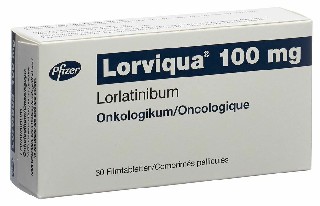
1.ALKgene mutations: Tumor cells may change the target of the drug by producing new ALKgene mutations, thereby rendering lorlatinib ineffective. These mutations often prevent drugs from binding effectively to the ALK protein.
2.Activation of alternative signaling pathways: Cancer cells may activate other oncogenes or growth signaling pathways, such as HER2, EGFR, etc., thereby bypassing the inhibition of the ALK pathway and continuing to proliferate.
3.Epigenetic changes: Tumor cells may change their response to drugs through epigenetic changes, making targeted therapy no longer effective.
The resistance time to lorlatinib varies among patients, but generally speaking, some patients will develop resistance after approximately 6 months to 2 years of treatment. Some studies have shown that some patients have 1Resistance may develop around 20 years, while other patients may show resistance earlier or later. Drug resistance is often accompanied by tumor progression or enlargement of lesions on imaging examinations.
Once drug resistance is discovered, patients should communicate with their doctors promptly to find new treatment options. Doctors may consider other targeted drugs, or combination therapies or immunotherapy, to continue to inhibit the growth of cancer cells.
The resistance time to lorlatinib varies between individuals, usually ranging from 6 months to 2 years. The mechanisms of drug resistance mainly include ALK gene mutation and activation of other signaling pathways. Once a patient develops drug resistance, the treatment plan needs to be adjusted promptly to prolong the treatment effect.
xa0
Reference materials
1.UpToDate - https://www.uptodate.com/
2.PubMed - https://pubmed.ncbi.nlm.nih.gov/
3.NCCN Guidelines - https://www.nccn.org/
[ 免责声明 ] 本页面内容来自公开渠道(如FDA官网、Drugs官网、原研药厂官网等),仅供持有医疗专业资质的人员用于医学药学研究参考,不构成任何治疗建议或药品推荐。所涉药品可能未在中国大陆获批上市,不适用于中国境内销售和使用。如需治疗,请咨询正规医疗机构。本站不提供药品销售或代购服务。


