
.jpeg)
Is selinesol a targeted drug?
Selinexor (Selinexor) is an oral drug that is a targeted therapy drug mainly used to treat certain types of cancer, especially multiple myeloma. It works by targeting specific proteins and signaling pathways within cells and is therefore classified as a targeted drug.
Selinesol, an XPO1 inhibitor, prevents the growth and spread of certain cancer cells by inhibiting the function of XPO1 (Exportin 1). XPO1 is a molecule involved in protein transport and is usually responsible for transporting some proteins that regulate cell functions from the nucleus to the cytoplasm. When the function of XPO1 is inhibited, these key proteins cannot be transported into the cytoplasm normally, thus interfering with the proliferation and growth of cancer cells. Selinisol's mechanism of action makes it a targeted therapy that specifically interferes with certain molecular pathways in cancer cells.
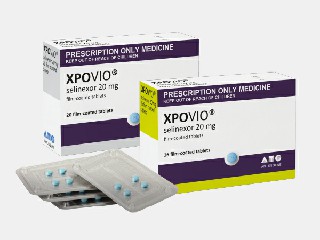
Selinexole is widely used to treat relapsed and refractory multiple myeloma, especially in patients who have failed to respond to conventional treatments. Studies have shown that selinesol can effectively inhibit the proliferation of tumor cells and improve the survival of patients. In addition to multiple myeloma, selinesol is also being studied for other types of cancer, including lymphoma and acute myeloid leukemia (AML). Therefore, selinesol is considered an important targeted therapy that could provide patients with new treatment options.
Compared with traditional chemotherapy drugs, targeted drugs like selinesol can precisely target specific molecular pathways in cancer cells, thereby reducing damage to normal cells. This means selinesol has relatively few side effects and can improve treatment effectiveness. Because it specifically targets theXPO1molecule within cancer cells, selinesol is able to effectively inhibit cancer cell proliferation without affecting normal physiological functions. This makes selinesol an innovative option for the treatment of certain malignancies.
Although selinesol has high therapeutic specificity as a targeted drug, it may still cause some side effects. Common side effects include nausea, fatigue, loss of appetite, and anemia. Because it interferes with the normal metabolic process of cancer cells, it may have a certain impact on the immune system of some patients. Therefore, when using selinesol treatment, patients need to undergo regular blood routine examination and physical sign monitoring in order to detect adverse reactions in time and make appropriate adjustments. Doctors usually adjust the dosage according to the patient's specific condition to achieve the best therapeutic effect.
xa0
Reference materials:
U.S. Food and Drug Administration (FDA)- Selinezo approval information: https://www.fda.gov
[ 免责声明 ] 本页面内容来自公开渠道(如FDA官网、Drugs官网、原研药厂官网等),仅供持有医疗专业资质的人员用于医学药学研究参考,不构成任何治疗建议或药品推荐。所涉药品可能未在中国大陆获批上市,不适用于中国境内销售和使用。如需治疗,请咨询正规医疗机构。本站不提供药品销售或代购服务。


