
.jpeg)
Overview of the Lao Medication Guidelines for Venetoclax
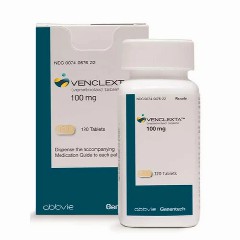
Venetoclax (Venetoclax) Lao version, as a cutting-edge anti-tumor drug, is widely used in the treatment of chronic lymphocytic leukemia (CLL), small lymphocytic lymphoma (SLL) and acute myeloid leukemia (AML). It effectively induces tumor cell apoptosis by inhibiting BCL-2 protein, showing significant therapeutic effects. Below is a brief overview of the Lao Medication Guide for venetoclax.
1. Medication methods and dosage
Venetoclax is usually taken by mouth once daily. The specific dosage and regimen must be customized by the doctor based on the patient's actual condition. The initial dose is usually low and then gradually increased over several weeks. The first dose may be given in a hospital or clinic so that any serious side effects can be dealt with promptly. Tablets should be swallowed whole and not crushed, chewed or broken. If you have difficulty swallowing 100mg tablets, you should inform your doctor in time. Never stop taking medication without your doctor's permission.
2. Precautions for Medication
1. TLS risk assessment: Before using venetoclax, patients need to undergo TLS risk assessment and take corresponding preventive measures, such as preventive hydration and anti-hyperuricemia treatment.
2. Monitoring of blood indicators: Blood cell counts and biochemical indicators should be monitored regularly during treatment in order to promptly detect and deal with TLS and other hematological toxicities.
3. Drug interactions: Interactions may occur when venetoclax is combined with certain drugs (such as strong or moderateCYP3A inhibitors). Close monitoring is required and the dose should be adjusted if necessary.
4. Infection prevention: Good hygiene habits should be maintained during treatment and any signs of infection should be treated promptly to prevent the occurrence of infection.
3. Possible adverse reactions
Venetoclax may cause a variety of adverse reactions, including nausea, diarrhea, constipation, neutropenia, thrombocytopenia, bleeding, peripheral edema, vomiting, fatigue, febrile neutropenia, rash, and anemia. Serious complications may includeTLS, pneumonia, sepsis, and respiratory failure. Patients should pay close attention to their symptoms and promptly report any discomfort to their doctor.
4. Medication guidance for special populations
Pregnant women, breastfeeding women, and women planning pregnancy should avoid using venetoclax to avoid harm to the fetus or baby. The elderly and patients with hepatic and renal insufficiency need to be particularly cautious when using venetoclax, and dose adjustments may be required.
5. Storage and medication instructions
Venetoclax should be stored in a dry, cool place away from direct sunlight and high temperatures. Please read the drug instructions carefully before taking the medicine and use it under the guidance of a doctor. Make sure to take the medicine correctly according to the doctor's instructions, and do not adjust the dosage or stop the medicine without authorization.
In summary, the Lao version of venetoclax provides patients with an affordable treatment option. However, patients must strictly abide by the medication guidelines and medical instructions when using it, pay close attention to adverse reactions, and seek medical treatment in a timely manner to ensure the safety and effectiveness of the treatment.
References:
https://www.drugs.com/venclexta.html
https://www.drugs.com/pro/venclexta.html#s-34069-5
[ 免责声明 ] 本页面内容来自公开渠道(如FDA官网、Drugs官网、原研药厂官网等),仅供持有医疗专业资质的人员用于医学药学研究参考,不构成任何治疗建议或药品推荐。所涉药品可能未在中国大陆获批上市,不适用于中国境内销售和使用。如需治疗,请咨询正规医疗机构。本站不提供药品销售或代购服务。


