
.jpeg)
What are the side effects of Seleniso?
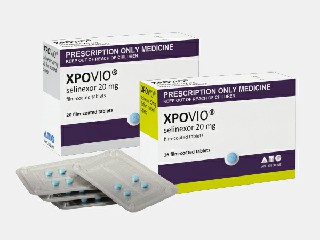
As a targeted therapy drug, Selinexor is mainly used to treat malignant tumors such as multiple myeloma and acute myeloid leukemia (AML). Although it has achieved good results in clinical treatment, like many drugs, selinesol may also cause some side effects. Patients need to pay attention to these side effects when receiving treatment and take early measures to reduce discomfort.
1. Hematological adverse reactions
One of the most common side effects of selinesol is hematologic toxicity, including anemia, leukopenia, and thrombocytopenia. These adverse reactions may cause the patient's immunity to decline and make the patient prone to infection, bleeding and other problems.
Anemia: Symptoms include fatigue, shortness of breath, dizziness and other symptoms. People may need blood transfusions or medications to treat anemia.
Leukopenia: Reduced immunity, easily leading to bacterial, viral or fungal infections. Patients may need to have their white blood cell count checked regularly and receive anti-infective treatment if an infection occurs.
Thrombocytopenia: May cause bleeding, skin congestion, easy bruising and other symptoms. In severe cases, platelet transfusions may be required.
Because these hematological adverse reactions are relatively common, patients should have regular blood tests during treatment, especially in the early stages of treatment, to help doctors adjust the dose or intervene in a timely manner.
2. Adverse reactions of digestive system
Selinesol’s digestive system side effects are also relatively common and may affect the patient’s appetite, digestive ability and gastrointestinal function.
Nausea and vomiting: This usually occurs within a short period of time after taking the medicine. To relieve symptoms, patients can take medication after meals or use anti-nausea medications under the guidance of a doctor.
Loss of appetite: Loss of appetite is a common complaint among patients and may lead to weight loss. Patients can alleviate this symptom to a certain extent by increasing the variety and frequency of food, or using nutritional supplements.
Diarrhea and Constipation: Selinisol can sometimes cause intestinal disturbances, leading to diarrhea or constipation. Depending on the severity of symptoms, patients can take medication or adjust their eating habits.
These gastrointestinal adverse reactions are usually temporary, and as treatment progresses, the symptoms of some patients will gradually decrease.
3. Nervous system adverse reactions
In terms of the nervous system, selinesol may cause some non-specific symptoms, such as headache, fatigue, insomnia, etc. Although these symptoms are mild, they may have an impact on the patient's quality of life.
Headache: Patients may experience headaches during treatment, which are usually mild but can sometimes be severe. Patients can find relief by resting or using appropriate pain medications.
Fatigue: Fatigue is a commonly reported symptom that may affect daily life and work ability. Taking adequate rest and maintaining a good daily routine and eating habits can help relieve fatigue.
Insomnia: Some patients will encounter difficulty sleeping during treatment and may need to adjust their sleep environment or seek medication.
These neurological symptoms are generally mild and can be relieved with appropriate lifestyle modifications or medication.
4. Other adverse reactions
In addition to hematological, digestive, and neurological side effects, selinesol may cause other types of adverse reactions, including:
Weight Loss: Selinisol may cause patients to lose weight, especially with long-term use. Patients should monitor changes in weight and receive dietary modifications or nutritional support if necessary.
Hyponatremia: A small number of patients may develop hyponatremia after taking selinesol, manifesting as dizziness, fatigue, nausea and other symptoms. In severe cases, electrolyte balance treatment may be required.
Liver function damage: Some patients may experience abnormal liver function when using selinesol. Liver function needs to be monitored regularly to avoid serious liver damage.
The occurrence of these side effects may vary depending on individual differences among patients, and some side effects will gradually reduce or disappear as treatment continues.
Selinesol, as an effective targeted therapy, brings new treatment options to patients with multiple myeloma and acute myeloid leukemia. However, patients may experience adverse reactions in the blood system, digestive system, nervous system, etc. when using selinesol. Most side effects are controllable. Regular monitoring, reasonable adjustments to treatment plans, and symptomatic treatment can help patients better cope with these uncomfortable symptoms. Patients should maintain close contact with their doctors to ensure they receive appropriate support and guidance during use.
xa0
Reference materials
Karyopharm TherapeuticsOfficial website:https://www.karyopharm.com
National Medical Products Administration (NMPA) official website:https://www.nmpa.gov.cn
[ 免责声明 ] 本页面内容来自公开渠道(如FDA官网、Drugs官网、原研药厂官网等),仅供持有医疗专业资质的人员用于医学药学研究参考,不构成任何治疗建议或药品推荐。所涉药品可能未在中国大陆获批上市,不适用于中国境内销售和使用。如需治疗,请咨询正规医疗机构。本站不提供药品销售或代购服务。


