
.jpeg)
What are the functions and effects of selinesol?
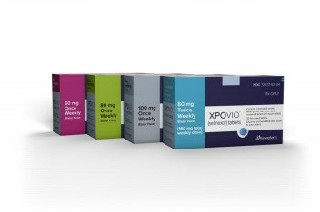
Selinexor (Selinexor) is an oral selective nuclear export inhibitor mainly used to treat multiple myeloma (MM) and acute myeloid leukemia (AML). By inhibiting the function of XPO1 (nuclear export protein 1), selinesol is able to interfere with the protein trafficking process in tumor cells, thereby exerting anti-cancer effects. As a targeted drug, selinesol is increasingly used in cancer treatment, especially providing new treatment options for some patients who are ineffective with traditional treatments.
1. InhibitXPO1Exercise anti-tumor effect
The core mechanism of selinesol is to exert its anti-tumor effect by inhibitingXPO1. XPO1 is a transporter protein responsible for transporting intracellular proteins from the nucleus to the cytoplasm. Abnormal activity of XPO1 has been found in many types of cancer, where it can help cancer cells evade cell cycle regulation and tumor suppressor functions. Seleniso selectively inhibits XPO1, blocking multiple tumor suppressor proteins in tumor cells (such as p53, p21etc.) and transcription factors (such asNF-κBetc.) allow these proteins that inhibit tumor growth to remain in the nucleus, thereby inhibiting the proliferation and survival of tumor cells.
2. Treatment of multiple myeloma
Selinesol has been approved to treat multiple myeloma, specifically in patients who have failed or relapsed after prior treatment. Multiple myeloma is an aggressive blood cancer that typically manifests as an abnormal proliferation of plasma cells in the bone marrow and is often accompanied by complications such as anemia, hypercalcemia, and fractures. Through its inhibitory effect on XPO1, selinesol helps restore normal cell cycle regulation, reduces the proliferation of malignant plasma cells in the bone marrow, relieves patients' symptoms, and improves survival rates to a certain extent.
Selinesol combined with other drugs, such as dacarbazine (Dexamethasone) or other chemotherapy drugs, has been proven to be effective in delaying disease progression and improving efficacy. Clinical studies have shown that selinesol has significant anti-tumor activity in patients with multiple myeloma, especially in patients who are ineffective or relapsed after chemotherapy, showing a high treatment response rate.
3. Treatment of acute myeloid leukemia (AML)
Acute myeloid leukemia (AML) is a malignant hematological tumor usually accompanied by abnormal white blood cell proliferation. Selinisol is approved to treat patients with relapsed or drug-resistant acute myeloid leukemia, particularly those who have no effective treatment options. By inhibiting XPO1, selinesol can enhance the effect of tumor suppressors, inhibit the growth and proliferation of cancer cells, and thereby delay the progression of the disease.
In clinical trials, selinesol has shown good efficacy in patients with relapsed or refractory AML, especially when combined with other drugs, it can produce a synergistic effect. For some patients for whom traditional treatment options are ineffective, selinesol provides them with a new treatment option. Especially when clinical treatment options for AML are relatively limited, the application of selinesol has great clinical value.
4. Anti-tumor effect and overcoming drug resistance
Selinesol is not only suitable for the treatment of multiple myeloma and acute myeloid leukemia, but also shows certain anti-tumor potential in other types of malignant tumors. By inhibiting the activity ofXPO1, selinexol can restore the function of anti-tumor proteins in cells and inhibit the proliferation of cancer cells. This mechanism shows great application prospects, especially for the treatment of drug-resistant cancers (such as tumors that remain ineffective after repeated chemotherapy). Studies have shown that selinesol can be used in combination with other chemotherapy drugs or targeted drugs to overcome the drug resistance of some tumors and improve the therapeutic effect.
In addition, selinesol has also shown potential anti-tumor activity in in vitro studies against many tumor types, including solid tumors, making it promising for future clinical applications.
Selinesol, as an innovative targeted therapy drug, has shown significant efficacy in the treatment of multiple myeloma and acute myeloid leukemia by inhibiting the activity ofXPO1 protein. Its anti-tumor mechanism can inhibit the proliferation of tumor cells and restore the function of anti-cancer proteins, and is expected to play an important role in the treatment of many drug-resistant tumors. By combining with other drugs, selinesol can provide new treatment opportunities for patients with relapsed or refractory tumors and provide a new direction for tumor treatment.
xa0
Reference materials
Karyopharm Therapeutics. Selinexor (XPOVIO). https://www.karyopharm.com
PubChem. Selinexor. https://pubchem.ncbi.nlm.nih.gov/compound/Selinexor
[ 免责声明 ] 本页面内容来自公开渠道(如FDA官网、Drugs官网、原研药厂官网等),仅供持有医疗专业资质的人员用于医学药学研究参考,不构成任何治疗建议或药品推荐。所涉药品可能未在中国大陆获批上市,不适用于中国境内销售和使用。如需治疗,请咨询正规医疗机构。本站不提供药品销售或代购服务。


