
.jpeg)
What is the safety of long-term use of valganciclovir/vansevir?
Valganciclovir is an antiviral drug commonly used to prevent and treat cytomegalovirus (CMV) infection. It is especially used in high-risk groups such as organ transplantation and AIDS combined with CMV infection. Safety is what patients are most concerned about when considering long-term medication. According to overseas guidelines and clinical experience, long-term use of valganciclovir does need to weigh efficacy and safety, but overall, under strict monitoring, long-term use still has an acceptable safety range.
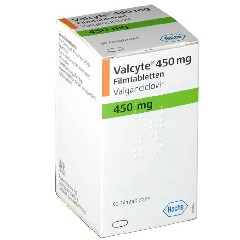
Valganciclovir will be metabolized into ganciclovir in the body, and its main mechanism of action is to control CMV replication by inhibiting viralDNA synthesis. However, this mechanism also affects the body's rapidly dividing cells to a certain extent, such as the bone marrow and hematopoietic system. Therefore, long-term use may bring the risk of bone marrow suppression, including neutropenia, anemia and thrombocytopenia, which is also one of the most common clinical side effects. If patients need to take medication for a long time, doctors will often conduct routine blood monitoring during the initial and maintenance phases of medication to detect potential risks in a timely manner.
In addition to hematological effects, long-term use of valganciclovir may also burden renal function, especially for patients with original renal insufficiency. Drugs are mainly excreted through the kidneys in the body. If the dose is not adjusted according to renal function, it may cause drug accumulation and aggravate adverse reactions. Therefore, people taking long-term medication are almost always advised to monitor serum creatinine and glomerular filtration rate regularly and adjust the dose if necessary.
Judging from clinical practice, valganciclovir has been widely used in the maintenance treatment of organ transplant patients, and many people require medication for several months or even more than a year. Research shows that although some patients will interrupt treatment due to adverse reactions, most patients can successfully complete the treatment course with reasonable monitoring and adjustments.
Reference materials:https://go.drugbank.com/drugs/DB01610
[ 免责声明 ] 本页面内容来自公开渠道(如FDA官网、Drugs官网、原研药厂官网等),仅供持有医疗专业资质的人员用于医学药学研究参考,不构成任何治疗建议或药品推荐。所涉药品可能未在中国大陆获批上市,不适用于中国境内销售和使用。如需治疗,请咨询正规医疗机构。本站不提供药品销售或代购服务。


