
.jpeg)
Evaluation of the long-term safety of aprecitentan (Tryvio): potential risks and monitoring
Aprocitentan-Tryvio is a new oral endothelin receptor antagonist mainly used for the management of refractory hypertension. Hypertension is a chronic disease, and many patients require long-term or even lifelong medication, which makes long-term safety a core issue for patients and doctors. Aprecitentan achieves blood pressure control by selectively blocking the endothelin pathway, reducing vasoconstriction and improving hemodynamics. Compared with traditional calcium channel blockers, ACEI or ARB drugs, its mechanism of action is more precise, providing a new option for patients whose blood pressure is difficult to control. However, there are potential risks with any long-term drug treatment, making it particularly important to evaluate the long-term safety of apremicitentan.
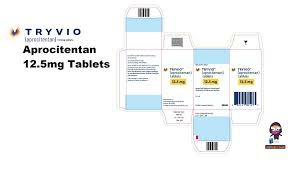
Potential risks mainly involve liver and kidney function, cardiovascular system, and hematological indicators. Endothelin receptor antagonist drugs may put a certain burden on the liver, leading to elevated liver enzymes or abnormal liver function. Although aprecitentan has shown a low risk of liver toxicity in early clinical studies, experts recommend that patients regularly monitor liver function during the initial and maintenance phases of medication to ensure early detection of abnormalities. Renal function monitoring cannot be ignored because the metabolism and excretion of drugs in the body are closely related to renal function, especially in patients with renal insufficiency. In terms of hematological indicators, changes in hemoglobin, electrolytes and blood routine also need to be paid attention to to prevent potential adverse events.
In addition, long-term medication also requires attention to cardiovascular burden, especially in patients with pre-existing heart failure or arrhythmia. Although aprecitentan is generally well tolerated, individual differences may lead to adverse effects of the drug in certain patient groups. Overseas guidelines recommend establishing an individualized monitoring plan, including regular follow-up of blood pressure, liver and kidney function and blood indicators, and paying attention to symptoms such as weight, edema and fatigue. Patients should strictly follow the doctor's instructions for follow-up and should not adjust the dosage or stop taking the medicine on their own.
Reference materials:https://go.drugbank.com/drugs/DB15059
[ 免责声明 ] 本页面内容来自公开渠道(如FDA官网、Drugs官网、原研药厂官网等),仅供持有医疗专业资质的人员用于医学药学研究参考,不构成任何治疗建议或药品推荐。所涉药品可能未在中国大陆获批上市,不适用于中国境内销售和使用。如需治疗,请咨询正规医疗机构。本站不提供药品销售或代购服务。


