
.jpeg)
Which is better for weight loss, tilpotide/mufenda or semaglutide?
Tirzepatide and Semaglutide are two representative GLP-1 and related receptor agonist drugs, which are widely used in weight control and comprehensive metabolic management in clinical practice and overseas research. Although the mechanisms of the two are similar, there are certain differences in weight loss effects and adaptability to the population. Understanding these differences is of great significance for clinical drug selection and patient self-management.
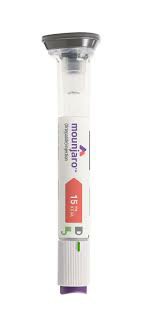
Tilpotide is a dual receptor agonist that not only acts onGLP-1 receptors, but also activates GIP receptors. This "dual mechanism" allows tilpotide to not only regulate insulin secretion and improve postprandial blood sugar fluctuations, but also affect weight management in multiple ways by delaying gastric emptying, reducing appetite and regulating fat storage. Overseas clinical observations have shown that tilpotide can significantly reduce body weight at medium and high doses, and is especially suitable for adult patients with obesity, insulin resistance or type 2 diabetes. Its characteristics include large weight loss and stable blood sugar control effect, which has dual advantages for patients who want to manage blood sugar and weight at the same time. Tilpotide's daily or weekly dosing schedule makes patients relatively high in compliance and well tolerated. Common side effects include mild to moderate nausea and loss of appetite, which can be relieved by dose adjustment in most patients.
In contrast, semaglutide is a highly selectiveGLP-1 receptor agonist. It mainly simulates the effects of GLP-1 to delay gastric emptying, suppress appetite and increase insulin secretion, thereby lowering blood sugar and assisting weight management. Overseas multi-center studies have shown that semaglutide has a significant weight reduction effect when used alone or in combination with lifestyle intervention, especially in obese or overweight patients with diabetes. Its advantage lies in precise blood sugar control, and it also has certain benefits in cardiovascular risk management for diabetic patients. The weekly injection form of semaglutide is easy for patients to insist on long-term use, and the side effects are relatively controllable. The main manifestations are mild gastrointestinal discomfort, such as nausea, constipation or diarrhea.
In terms of comparison of weight loss effects, studies have shown that the average weight loss of tilpotide is often slightly higher than that of semaglutide under the same treatment cycle, especially in mid- and high-dose regimens. This may be related to the synergistic effect of its dual receptor agonist mechanism on appetite and fat metabolism. However, there are individual differences in the specific weight loss effect, which is closely related to the patient's basic weight, metabolic status, lifestyle and combined medication. Therefore, clinical drug selection should not only refer to average weight loss data, but also combine individual characteristics and comprehensive health goals.
Generally speaking, both of them need to be combined with diet, exercise and lifestyle intervention in clinical use to maximize their comprehensive benefits. At the same time, doctors will adjust the dosage according to the patient's liver and kidney function, tolerance and individual needs to ensure a balance between efficacy and safety.
Reference materials:https://www.drugs.com/tirzepatide.html
[ 免责声明 ] 本页面内容来自公开渠道(如FDA官网、Drugs官网、原研药厂官网等),仅供持有医疗专业资质的人员用于医学药学研究参考,不构成任何治疗建议或药品推荐。所涉药品可能未在中国大陆获批上市,不适用于中国境内销售和使用。如需治疗,请咨询正规医疗机构。本站不提供药品销售或代购服务。


