
.jpeg)
A comprehensive introduction to the efficacy and side effects of Apremilast tablets
Apremilast is an oral small molecule drug that is a phosphodiesterase 4 (PDE4) inhibitor. In recent years, it has gradually attracted attention in the field of rheumatology and immunity and the treatment of skin diseases. Compared with traditional immunosuppressants, it selectively inhibits PDE4, thereby regulating intracellular signaling pathways and reducing the release of inflammatory cytokines. It reduces chronic inflammatory responses while retaining the body's normal immune function. This makes apremilast widely used in psoriatic arthritis (PSA), plaque psoriasis and some immune-related diseases. Due to its oral delivery method, patients do not need injections, which leads to higher patient compliance and provides a new option for some patients who have poor tolerance to traditional treatments.
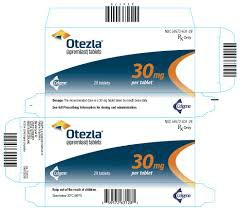
In terms of efficacy, multiple overseas studies have shown that apremilast can improve joint swelling and pain, reduce the area of skin plaques, and some patients have significantly reduced symptoms after long-term use. Another advantage is that it is relatively safe, unlike some biological agents that require complex immune monitoring. However, it should be noted that apremilast is not a panacea, and the responses of different patients vary greatly. Therefore, clinicians usually decide whether to use it based on individualized conditions.
In terms of side effects, apremilast is generally well tolerated, but some patients may experience gastrointestinal discomfort, such as diarrhea, nausea, and vomiting in the early stages of treatment, which usually resolve gradually after a few weeks. In addition, some patients may experience weight loss, mild headaches or mood swings, so they need to pay attention to weight changes and mental state during medication. Compared with traditional immunosuppressants, it has less impact on liver and kidney function and does not significantly increase the risk of infection, which is one of its advantages. In clinical practice, doctors often conduct a comprehensive assessment before prescribing medication and conduct follow-up monitoring during treatment.
Reference materials:https://go.drugbank.com/drugs/DB05676
[ 免责声明 ] 本页面内容来自公开渠道(如FDA官网、Drugs官网、原研药厂官网等),仅供持有医疗专业资质的人员用于医学药学研究参考,不构成任何治疗建议或药品推荐。所涉药品可能未在中国大陆获批上市,不适用于中国境内销售和使用。如需治疗,请咨询正规医疗机构。本站不提供药品销售或代购服务。


