
.jpeg)
Evaluation of whether Fidaxomicin is suitable for the treatment of patients with Crohn's disease
Fidaxomicin is a new macrolide antibiotic mainly used to treat Clostridioides difficile (Clostridioides difficile) infection (CDI). It prevents bacterial protein synthesis and proliferation by selectively inhibiting the RNA polymerase of C. difficile, while causing less interference to the normal intestinal flora. Due to its highly targeted mechanism of action and relatively low recurrence rate, it shows obvious advantages in the treatment and recurrence prevention of CDI. However, the use of fidaxomicin in patients with Crohn's disease (CD) is not a standard indication and requires careful evaluation.
Crohn's disease is a chronic inflammatory bowel disease. The main pathological feature is abnormal activation of the immune system leading to chronic inflammation of the intestine. Although intestinal flora imbalance is considered to be related to the pathogenesis of Crohn's disease, fidaxomicin mainly targets C. difficile infection and has limited direct therapeutic effect on non-infectious intestinal inflammation or abnormal bacterial flora. There is currently insufficient clinical evidence that fidaxomicin can improve the inflammatory process of Crohn's disease itself, so relying solely on this drug to treat Crohn's disease may have limited effectiveness.
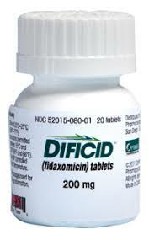
In clinical practice, if patients with Crohn's disease are complicated with C. difficile infection, fidaxomicin can be used as the first choice anti-infective drug to control infection and reduce recurrence. In such patients, fidaxomicin treatment can usually significantly improve diarrhea, abdominal pain and intestinal inflammation indicators, while having little impact on the normal intestinal flora, which is beneficial to maintaining the balance of intestinal flora in patients with Crohn's disease. However, fidaxomicin has no direct intervention effect on the immune-inflammatory process of Crohn's disease itself, so it needs to be combined with other immunomodulatory or anti-inflammatory drugs for comprehensive management.
In general, the use of fidaxomicin in patients with Crohn's disease is primarily limited to treating C. difficile infection and not Crohn's disease itself. Clinically, individualized treatment plans should be formulated based on whether the patient has CDI, the severity of the condition, and previous medication history. For patients with uncomplicated Crohn's disease, fidaxomicin has limited therapeutic effect and is not recommended as a routine anti-inflammatory or immunomodulatory drug. Correct assessment of indications and combination medication strategies can help maximize treatment effectiveness while reducing unnecessary drug burden and potential risks.
Reference link:https://www.drugs.com
[ 免责声明 ] 本页面内容来自公开渠道(如FDA官网、Drugs官网、原研药厂官网等),仅供持有医疗专业资质的人员用于医学药学研究参考,不构成任何治疗建议或药品推荐。所涉药品可能未在中国大陆获批上市,不适用于中国境内销售和使用。如需治疗,请咨询正规医疗机构。本站不提供药品销售或代购服务。


