
.jpeg)
Detailed analysis of why ponatinib is not recommended for some patients
Ponatinib (Ponatinib) is a third-generation tyrosine kinase inhibitor (TKI), mainly used to treat chronic myelogenous leukemia (CML) and Philadelphiachromosome-positive acute lymphoblastic leukemia (Ph+ ALL), especially for patients harboring T315I mutations who are resistant or intolerant to other TKI patients. However, the use of ponatinib is not recommended for some patients. The main reason is closely related to its potential serious adverse reactions and individualized risk assessment.
Ponatinib has a higher risk of vascular events, including arterial thrombosis, myocardial infarction, stroke, and peripheral vascular disease. These cardiovascular risks are particularly significant in patients with a history of hypertension, diabetes, hyperlipidemia, or coronary heart disease. Therefore, for patients with high cardiovascular risk, the use of ponatinib may increase the probability of serious adverse events, thereby limiting its clinical application.
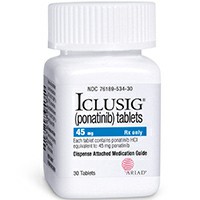
Ponatinib may cause severe toxic reactions such as liver function abnormalities, pancreatitis, and bleeding tendencies. Patients with abnormal liver function may have obstacles in drug metabolism, which increases blood drug concentration and toxicity risks; at the same time, the risk of bleeding is higher in patients with a history of previous bleeding or combined with anticoagulant drugs. In these patients, use of ponatinib may result in unpredictable serious adverse events and should be used with caution or avoidance.
Some patients have poor tolerance to ponatinib and may experience severe bone marrow suppression, rash, diarrhea and other adverse reactions, affecting their quality of life and treatment compliance. For elderly patients or people with multiple underlying diseases, these side effects may aggravate the original condition. Therefore, clinically, it is necessary to comprehensively evaluate the patient's condition, previous medication history, cardiovascular and liver and kidney function status, and make an individualized decision on whether to use ponatinib to ensure that the efficacy is maximized while reducing potential risks.
Reference link:https://www.drugs.com
[ 免责声明 ] 本页面内容来自公开渠道(如FDA官网、Drugs官网、原研药厂官网等),仅供持有医疗专业资质的人员用于医学药学研究参考,不构成任何治疗建议或药品推荐。所涉药品可能未在中国大陆获批上市,不适用于中国境内销售和使用。如需治疗,请咨询正规医疗机构。本站不提供药品销售或代购服务。


