
.jpeg)
What are the common side effects of Trelagliptin and how to deal with side effects?
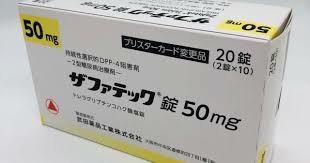
Trelagliptin is an oral dipeptidyl peptidase-4 inhibitor (DPP-4 inhibitor), mainly used to treat 2 type diabetes, by inhibiting DPP-4 enzyme activity and prolonging glucagon-like peptide-1 (GLP-1) and glucose-dependent insulin secretagogue polypeptide (GIP) action time, thereby promoting insulin secretion and inhibiting glucagon release, achieving the effect of improving blood sugar control. Trelagliptin has become one of the commonly used dipeptidyl peptidase-4 inhibitors in clinical practice due to its convenient administration (oral administration once a week) and relatively good tolerability. However, like all drugs, trolagliptin may still have certain side effects during use, and understanding their types and countermeasures is crucial for safe use.
Common side effects of trolagliptin mainly include digestive system reactions, such as nausea, diarrhea, constipation, bloating or indigestion. These reactions are usually mild to moderate, often occur in the early stages of medication, and may gradually lessen as the body adapts. When side effects of the digestive system occur, patients can take measures such as eating small amounts in portions, eating a light diet, avoiding greasy and irritating foods, and maintaining adequate water intake to relieve discomfort symptoms. For patients whose symptoms persist or worsen, their doctor should be informed promptly to decide whether to adjust the dose or change the treatment plan.
In addition, trotagliptin may cause hypoglycemia, especially when combined with insulin or sulfonylurea antidiabetic drugs. Hypoglycemia manifests as sweating, palpitations, dizziness, hunger, fatigue, and even disturbance of consciousness. Clinically, people with a higher risk of hypoglycemia, such as elderly patients, those with renal insufficiency or those with irregular diets, should closely monitor blood sugar levels and consume sugary foods or oral glucose immediately when symptoms of hypoglycemia occur. At the same time, doctors may adjust the dosage of combined medications according to the patient's specific conditions to reduce the risk of hypoglycemia.
Trelagliptin may also cause rare adverse reactions, including allergic reactions (rash, itching, urticaria), joint pain, headache, and abnormal liver function. Although the incidence of allergic reactions is low, once they occur, the drug should be stopped immediately and medical attention should be given, and anti-allergic treatment should be given if necessary. Patients with abnormal liver function should regularly monitor liver function indicators before and during treatment. If transaminases are found to be significantly elevated, drug correlation should be evaluated and drug discontinuation or dose adjustment should be considered. Mild symptoms such as joint pain or headache can be relieved through rest, moderate exercise or symptomatic treatment.
In overall clinical management, the side effects of trolagliptin are usually mild, and most can be controlled through reasonable diet, lifestyle adjustments, and regular monitoring. When prescribing tretagliptin, doctors should have a detailed understanding of the patient's past medical history, medication history, and concomitant medications, and regularly follow up on blood sugar, liver and kidney function, and adverse reactions during medication to ensure a balance between drug efficacy and safety. Patients should pay attention to observing their own reactions during daily medication, and promptly inform the doctor if any discomfort occurs and take corresponding measures to ensure the safety and effectiveness of treatment. Through scientific and standardized management, troagliptin has been widely used in2It is still a safe and effective choice for long-term blood sugar control in type 2 diabetes.
Reference link:https://www.drugs.com
[ 免责声明 ] 本页面内容来自公开渠道(如FDA官网、Drugs官网、原研药厂官网等),仅供持有医疗专业资质的人员用于医学药学研究参考,不构成任何治疗建议或药品推荐。所涉药品可能未在中国大陆获批上市,不适用于中国境内销售和使用。如需治疗,请咨询正规医疗机构。本站不提供药品销售或代购服务。


