
.jpeg)
What are the main functions and effects of ivonib/Tosuvo?
Ivosidenib is a targeted therapy drug that is an oral small molecule inhibitor specifically designed to intervene in the development of tumors related to IDH1 (isocitrate dehydrogenase type 1) mutations. IDH1 mutations are found in a variety of hematological malignancies and some solid tumors, such as acute myeloid leukemia (AML) and cholangiocarcinoma. Such mutations can lead to the accumulation of the abnormal metabolite 2-hydroxyglutarate (2-HG), thereby interfering with cell differentiation and metabolism and promoting tumorigenesis. Ivonib selectively inhibits the activity of mutant IDH1 enzyme, reduces 2-HG accumulation, and restores the differentiation ability of tumor cells at the molecular level, thereby controlling tumor progression.
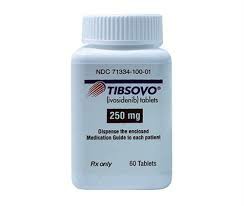
In acute myeloid leukemia (AML), the main effect of ivonib is to induce the differentiation of mutated IDH1-positive leukemia cells, reduce the proportion of immature cells, and at the same time maintain the relative stability of normal hematopoietic function. This is different from traditional chemotherapy, which mainly relies on non-selective killing of rapidly proliferating cells. Ivonib achieves "differentiation therapy" by targeting mutant enzymes, which can not only inhibit tumor proliferation, but also maintain bone marrow hematopoietic function and reduce the risk of damage to the patient's overall blood system. Therefore, its application in patients with relapsed or refractory AML has significant clinical value and provides a new treatment option for elderly or fragile patients who cannot tolerate traditional chemotherapy.
In addition to hematological malignancies, ivonib has also shown potential efficacy inIDH1-mutated solid tumors. By inhibiting the mutant IDH1 enzyme, it can regulate the tumor microenvironment, improve abnormal cell metabolism, inhibit tumor proliferation signals, and reduce tumor invasiveness to a certain extent. In clinical studies of solid tumors such as cholangiocarcinoma, ivonib can delay disease progression and improve quality of life in patients with IDH1 mutations, demonstrating the precise advantages of targeted therapy in specific genetic backgrounds.
In terms of medication safety, ivonib is convenient for oral administration and is relatively well tolerated. Common side effects include hematological abnormalities, mild to moderate gastrointestinal discomfort, and low-frequency liver function fluctuations, but these can usually be controlled with monitoring and dose adjustment. Compared with traditional chemotherapy, its selective targeting effect allows patients to maintain a higher quality of life during treatment while reducing the frequency of blood transfusions and hospitalization interventions.
In general, the main effect of ivonib is reflected in precise targetingRegarding the molecular mechanism of IDH1 mutant tumors, it can not only induce leukemia cell differentiation and delay disease progression, but also play anti-proliferation and metabolic regulation roles in specific solid tumors. Through this targeted intervention, it not only expands treatment options for high-risk or refractory patients, but also demonstrates the cutting-edge value of molecular targeted therapy in modern tumor management. In the future, with the deepening of clinical research and the exploration of combination drug strategies, the application prospects of ivonib in the field of blood system and solid tumors will be broader, providing a solid scientific foundation for precision medicine.
Reference: https://www.tibsovo.com/
[ 免责声明 ] 本页面内容来自公开渠道(如FDA官网、Drugs官网、原研药厂官网等),仅供持有医疗专业资质的人员用于医学药学研究参考,不构成任何治疗建议或药品推荐。所涉药品可能未在中国大陆获批上市,不适用于中国境内销售和使用。如需治疗,请咨询正规医疗机构。本站不提供药品销售或代购服务。


