
.jpeg)
Comparison of macituximab/magenex and inituximab
Margetuximab and Inotuzumab are both monoclonal antibody drugs used for HER2-positive breast cancer, but they have obvious differences in indications, mechanisms of action, and clinical application strategies, reflecting the trend of precision and individualization in modern targeted therapy.
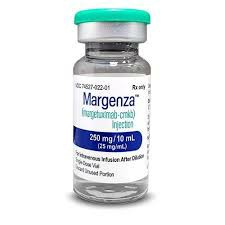
Margituximab is an optimized anti- HER2 monoclonal antibody indicated for use in combination with chemotherapy to treat adult patients with metastatic HER2-positive breast cancer, especially those who have received two or more prior anti-HER2 regimens, at least one of which was for metastatic disease. Its core mechanism lies in the specific binding to the HER2 receptor and the enhancement of antibody-dependent cellular cytotoxicity (ADCC) through the modification of the Fc segment. This design improves the binding ability of monoclonal antibodies to NK cells and macrophages, thereby activating the body's immune system to kill tumor cells more effectively. Compared with traditional trastuzumab, margetuximab has advantages in Fcγ receptor specificity and immune activation, providing an additional treatment option for patients who are resistant to trastuzumab or have limited therapeutic effect.
Although initumab also targets HER2-positive breast cancer, its indications are different, with more emphasis on combined use with chemotherapy drugs, especially for patients with metastatic breast cancer who have received at least one chemotherapy regimen. The mechanism of action of initumab is a typical antibody-drug conjugate (ADC). The antibody specifically recognizes the HER2 receptor on the surface of tumor cells and delivers cytotoxic drugs directly into the tumor to achieve precise killing. This method can improve the selectivity of tumor cells while reducing systemic toxicity, and is especially suitable for relapsed or refractory patients.
In terms of clinical application strategy, margetuximab is usually used in combination with chemotherapy to enhance the control of metastatic HER2-positive breast cancer. Its advantage is that it can still exert efficacy in patients who have failed previous multiple lines of anti-HER2 therapy. Inituzumab emphasizes the precise targeting of the ADC mode, delivering chemotherapy drugs into cancer cells while retaining relatively low systemic toxicity. This means that the two complement each other in terms of mechanism of action, rather than replacing each other. Margetuximab prefers to act through immune system activation, while inituximab relies on direct cytotoxicity of drug conjugation to control tumor progression.
In terms of the spectrum of side effects, the main adverse reactions of magituximab are mostly immune-related, such as infusion reactions, mild fever and fatigue, while inituximab has common hematological toxicities, including neutropenia, thrombocytopenia, and some patients may experience abnormal liver function and mild to moderate gastrointestinal reactions.
In general, although magituximab and inituximab are the sameHER2-targeting monoclonal antibody drugs have different focus on indications, mechanisms of action and clinical application strategies. Margetuximab emphasizes immune activation and is suitable for metastatic breast cancer patients after multiple lines of anti-HER2 therapy; inituximab uses an antibody-drug conjugation method to precisely kill tumors and is suitable for metastatic patients who have received at least one line of chemotherapy.
Reference materials:https://www.margenza.com/
[ 免责声明 ] 本页面内容来自公开渠道(如FDA官网、Drugs官网、原研药厂官网等),仅供持有医疗专业资质的人员用于医学药学研究参考,不构成任何治疗建议或药品推荐。所涉药品可能未在中国大陆获批上市,不适用于中国境内销售和使用。如需治疗,请咨询正规医疗机构。本站不提供药品销售或代购服务。


