
.jpeg)
Is Sotoracib (AMG 510) still effective after long-term use for more than six years?
Sotorasib (trade name AMG 510) is a small molecule targeted drug for patients with KRAS G12C mutation-positive non-small cell lung cancer (NSCLC). Its mechanism of action is to selectively inhibit the activity of KRAS G12C protein and block downstream signaling pathways, thereby inhibiting tumor cell proliferation. Clinical studies have shown that sotoraxib can significantly reduce tumor burden in the short term and improve patients' progression-free survival (PFS) and overall response rate (ORR). However, there is currently a lack of sufficient clinical data to support the efficacy of long-term use for more than six years.
Based on the results of existing clinical trials, sotoraxib showed sustainable anti-tumor activity at 1 to 2 years of follow-up, but KRAS Patients with G12C mutations may develop resistance mechanisms during long-term treatment, such as secondary mutations in KRAS protein or activation of bypass signaling pathways, which may lead to a gradual decline in drug efficacy. Therefore, even if a patient initially responds well to sotoraxib, there is still uncertainty about the long-term maintenance of efficacy, and it is necessary to monitor the development of drug resistance in combination with regular imaging evaluation and molecular testing.
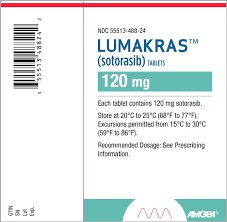
In actual clinical applications, doctors usually evaluate the continued use value of sotoraxib based on the patient's disease course, drug resistance, and overall physical condition. If disease progression or signs of drug resistance occur, treatment may need to be adjusted, including in combination with other targeted agents, immunotherapy, or chemotherapy, to prolong treatment benefit. During long-term use, patients should undergo regular hematology, liver and kidney function and imaging monitoring to detect side effects and changes in efficacy in a timely manner and ensure the safety of treatment.
Overall, there is no clear evidence of the efficacy of sotorasib when used long-term for more than six years. Although its initial anti-tumor effect is significant, over time, the risk of drug resistance may increase and the drug's efficacy may decrease. Therefore, long-term use should be carried out under the guidance of professional doctors, combined with individualized monitoring and adjustment of treatment strategies, to ensure that the patient's progression-free survival is prolonged to the greatest extent while ensuring the safety of medication.
Reference link:https://www.drugs.com
[ 免责声明 ] 本页面内容来自公开渠道(如FDA官网、Drugs官网、原研药厂官网等),仅供持有医疗专业资质的人员用于医学药学研究参考,不构成任何治疗建议或药品推荐。所涉药品可能未在中国大陆获批上市,不适用于中国境内销售和使用。如需治疗,请咨询正规医疗机构。本站不提供药品销售或代购服务。


