
.jpeg)
Common side effects of adagrasib (Krazati) and management measures during medication
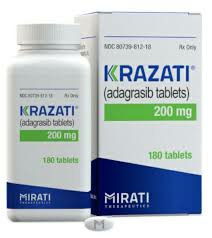
Adagrasiib (Krazati) is an oral small molecule targeted drug mainly used to treat patients with advanced or metastatic non-small cell lung cancer (NSCLC) with KRAS G12C mutations. Its mechanism of action is to selectively inhibit KRAS G12C protein activity, thereby blocking abnormal signaling pathways and inhibiting tumor cell proliferation and survival. With the promotion of clinical application, patients may experience certain side effects during use. Therefore, understanding the manifestations of common side effects and reasonable management measures are crucial to ensuring the safety and efficacy of treatment.
The most common side effects include gastrointestinal reactions, fatigue, and abnormal liver function. Gastrointestinal reactions are mainly manifested as nausea, vomiting, diarrhea or loss of appetite. These symptoms are mostly mild to moderate and generally appear in the early stages of medication. To relieve these symptoms, patients can take measures such as eating small meals more frequently, eating a low-fat diet, or using antiemetic drugs. At the same time, maintaining adequate fluid intake and getting adequate rest can help reduce gastrointestinal discomfort. For patients with severe symptoms, doctors can adjust the dose or temporarily discontinue the drug according to the specific situation to avoid affecting drug tolerance.
Abnormal liver function is one of the side effects that needs to be paid attention to during the use of adagrasib. Some patients may experience elevated transaminases (ALT, AST) or elevated bilirubin, which indicates a certain degree of stress on the liver. Clinically, it is recommended to conduct liver function assessment before treatment and regularly monitor liver function indicators during medication. If moderate or severe liver function abnormalities occur, medication should be suspended and intervention should be carried out under the guidance of a physician, such as adjusting the dose or delaying the next dose. At the same time, patients should avoid the combined use of drugs or alcohol that can significantly damage the liver to reduce the burden on the liver.
In addition, adagrasib may cause adverse reactions such as skin reactions, hematological abnormalities, and musculoskeletal discomfort. Rashes, itching, or dry skin can be relieved with topical skin care and anti-allergic drugs; hematological abnormalities such as leukopenia or anemia require regular blood routine monitoring, and dosage adjustments or supportive care are required if necessary; muscle pain and joint soreness can be managed with physical therapy, moderate exercise, or analgesic drugs. Generally speaking, most of the side effects of adagrasib are controllable. Through regular monitoring, lifestyle adjustments and necessary drug intervention, patients' medication safety can be ensured to the greatest extent.
In summary, adagrasib acts asKRAS G12CTargeted drugs have shown good anti-tumor effects in the treatment of patients with non-small cell lung cancer, but during use, we still need to pay attention to side effects such as gastrointestinal discomfort, liver function abnormalities, skin reactions, and hematological abnormalities. Patients should take medication under the guidance of a professional doctor, comply with the dosage and medication time, and undergo regular clinical and laboratory examinations. Through scientific management and timely intervention, the incidence of adverse reactions can be reduced while ensuring the efficacy, and the patient's tolerance and quality of life can be improved.
Reference link:https://www.drugs.com
[ 免责声明 ] 本页面内容来自公开渠道(如FDA官网、Drugs官网、原研药厂官网等),仅供持有医疗专业资质的人员用于医学药学研究参考,不构成任何治疗建议或药品推荐。所涉药品可能未在中国大陆获批上市,不适用于中国境内销售和使用。如需治疗,请咨询正规医疗机构。本站不提供药品销售或代购服务。


