
.jpeg)
Is capmatinib (Touradida) a targeted drug or an immune drug and its indications
Capmatinib is an oral small molecule targeted drug that is a tyrosine kinase inhibitor (TKI). Its main target is the mesenchymal cell growth factor receptor (c-MET, also known as MET receptor). By selectively inhibiting the abnormal activation of the MET signaling pathway, it blocks tumor cell proliferation, survival and metastasis, thereby exerting anti-tumor effects. Unlike immunotherapy drugs, capmatinib does not directly act on the immune system, but targets tumor cells with specific gene mutations. It belongs to the category of precision therapy drugs.
In terms of indications, capmatinib is mainly used for METexon14 skipping mutations (MET exon 14 skipping mutation)-positive advanced or metastatic non-small cell lung cancer (NSCLC) patients. Such mutations lead to overactivation of the MET signaling pathway, thereby promoting tumor growth and invasion. By targeting MET, capmatinib can significantly slow down tumor progression and improve patients’ progression-free survival (PFS) and overall response rate (ORR), providing effective treatment options for MET mutation-driven NSCLC patients.
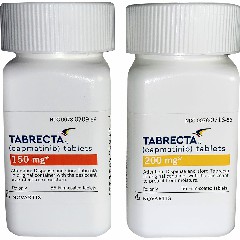
In addition to advanced NSCLC , capmatinib is also being studied in other MET driven tumor types, including some patients with gastric, liver or thyroid cancer. However, current clinical approvals and guideline recommendations are mainly focused on non-small cell lung cancer with MET exon 14 skip mutations. Other indications are still in the clinical trial stage and require further verification of efficacy and safety. Therefore, the application of capmatinib is highly dependent on genetic testing and molecular typing to ensure precise treatment of targeted patient groups.
In general, capmatinib is a targeted drug rather than an immunotherapy drug. Its core advantage is that it targetsMETImplement precise intervention for mutation-positive patients. Screening suitable patients through genetic testing, rationally formulating treatment plans, and combining with regular imaging monitoring can maximize drug efficacy under the premise of safety and controllability, providing practical treatment options for patients with MET advanced non-small cell lung cancer.
Reference link:https://www.drugs.com
[ 免责声明 ] 本页面内容来自公开渠道(如FDA官网、Drugs官网、原研药厂官网等),仅供持有医疗专业资质的人员用于医学药学研究参考,不构成任何治疗建议或药品推荐。所涉药品可能未在中国大陆获批上市,不适用于中国境内销售和使用。如需治疗,请咨询正规医疗机构。本站不提供药品销售或代购服务。


