
.jpeg)
Safety precautions for taking eflornithine (IWILFIN) in elderly patients
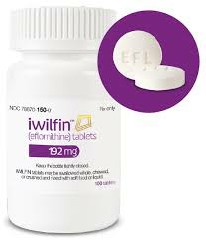
Eflornithine (IWILFIN) is an anti-tumor chemical drug. It is mainly used to interfere with the synthesis of DNA and RNA in tumor cells, thereby inhibiting the proliferation of cancer cells. When elderly patients use eflornithine, the body's organ functions may be degraded to varying degrees, especially the decline in liver and kidney function and the weakening of bone marrow hematopoietic capacity. Therefore, the safety of the drug requires special attention to reduce the risk of adverse events.
Elderly patients should undergo a comprehensive basic assessment, including liver function, renal function, blood routine and cardiopulmonary function tests, before starting eflornithine treatment. Liver and renal insufficiency may cause drug metabolism and excretion to slow down, thereby increasing blood drug concentration and triggering toxic reactions. Therefore, for elderly patients with abnormal liver and kidney function, doctors usually consider lowering the initial dose or extending the dosing interval, and dynamically monitor relevant indicators during treatment.
Eflornithine may cause myelosuppression, manifested by a decrease in white blood cells, platelets, and red blood cells. Elderly patients may have weaker hematopoietic function and are more susceptible to infection, anemia or bleeding tendencies. During the treatment process, routine blood tests need to be reviewed regularly, the dose should be adjusted based on blood cell counts, and supportive treatment, such as the use of growth factors or blood transfusions, should be performed when necessary to ensure patient safety. At the same time, patients and their families should pay attention to abnormal symptoms such as fever, bleeding, and fatigue, and report to doctors in a timely manner.
Elderly patients should also be aware of possible gastrointestinal adverse effects of eflornithine, such as nausea, vomiting, oral ulcers, or decreased appetite. To reduce the risk, measures such as taking medication with or after meals, taking small amounts of liquid in divided doses, or supplementing with anti-nausea medications can be taken. At the same time, attention should be paid to replenishing water and proper nutrition to avoid dehydration and rapid weight loss. Through scientific monitoring, individualized dose adjustment and life management, elderly patients can obtain the therapeutic effects of eflornithine while ensuring maximum safety.
Reference link:https://www.drugs.com
[ 免责声明 ] 本页面内容来自公开渠道(如FDA官网、Drugs官网、原研药厂官网等),仅供持有医疗专业资质的人员用于医学药学研究参考,不构成任何治疗建议或药品推荐。所涉药品可能未在中国大陆获批上市,不适用于中国境内销售和使用。如需治疗,请咨询正规医疗机构。本站不提供药品销售或代购服务。


