
.jpeg)
Clinical effects and research data of odexibat (Beierwei) in the treatment of cholangitis
Odevixibat (Odevixibat) is an oral small molecule drug that mainly acts on intestinal bile acid transporter (IBAT, ileal bile acid transporter). IBAT is located on the epithelial cell membrane of the terminal ileum and is responsible for reabsorbing bile acids from the intestinal lumen to the liver. When IBAT is inhibited, the recycling of bile acids in the intestinal lumen is reduced, leading to a decrease in liver bile acid reserves, thereby alleviating cholestasis-related symptoms, such as itching, abnormal liver function, and hepatocellular damage caused by excessive bile acids. Odesibat is mainly used to treat primary biliary cholangitis (PFIC) and other chronic cholestasis diseases. It has significant clinical application value, especially for children. It regulates bile acid circulation and improves liver load, providing a non-invasive treatment option for long-term management of cholestasis.
In clinical studies, odexibat demonstrated significant bile acid-lowering effects. In Phase II and Phase III multicenter clinical trials, pediatric and adult patients with PFIC experienced significant reductions in total serum bile acid levels after treatment with odexibat. Research data shows that approximately 60% to 70% of patients' serum bile acid levels dropped to normal or close to the normal range after 12 weeks of treatment, accompanied by significant relief of itching symptoms. Itching is one of the most common symptoms in cholestatic diseases and most troubles patients' quality of life. Its relief directly improves patients' sleep quality, psychological state and ability to perform daily activities. In addition, some patients' liver function indicators such as alkaline phosphatase (ALP), total bilirubin (TBIL) and transaminase levels have improved to varying degrees, suggesting that odexibat is not only effective in symptom control, but may also reduce liver damage to a certain extent and delay disease progression.
The efficacy of odexibat is also closely related to its dose and individualized adjustment. In clinical trials, different doses of odexibat can effectively reduce serum bile acids, but patients with high doses have a greater decrease in bile acids in the short term and faster relief of itching. However, high-dose use may also increase the incidence of mild side effects, such as diarrhea, gastrointestinal discomfort, mild fluctuations in liver function indicators, and decreased absorption of some fat-soluble vitamins. Based on this, clinicians usually adopt an individualized dosage strategy and dynamically adjust the dosage according to the patient's weight, disease severity, and tolerance to reduce the risk of adverse reactions while ensuring efficacy. The study also shows that as the treatment course is extended, most patients can continue to maintain low bile acid levels and stable symptom control, indicating that odexibat has good long-term application potential.
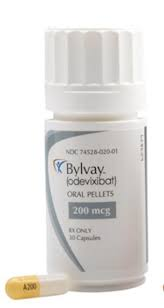
In terms of safety, odexibat was generally well tolerated. Clinical trial data show that most adverse events are mild to moderate and controllable, and commonly include mild diarrhea, nausea, gastrointestinal discomfort, oral inflammation, and slight fluctuations in liver function indicators. The incidence of serious adverse events is low, and most of them can be alleviated by temporarily discontinuing the drug, reducing the dose, or treating symptoms. In addition, odexibat selectively acts on intestinal bile acid transporters, making its systemic side effects much lower than traditional oral choleretic drugs or surgical intervention, making it especially suitable for long-term maintenance treatment. Elderly patients or those with mild to moderate impairment of liver function need to closely monitor liver function and blood indicators during use, while the growth and development of pediatric patients also need to be followed up to ensure the safety of long-term use of the drug.
Clinical studies of odexibat also highlight the importance of individualized management. Doctors should conduct a comprehensive assessment before treatment, including serum bile acid levels, liver function indicators, renal function and accompanying diseases, and establish a regular follow-up mechanism during the treatment process. Patients need to record itching scores, sleep quality, changes in liver function and occurrence of side effects during medication to provide a basis for doctors to adjust the dosage. Some studies also show that combined lifestyle intervention and nutritional management (such as fat-soluble vitamin supplementation) can further improve patient outcomes and reduce the risk of long-term side effects. Through scientific management and standardized follow-up, odexibat can improve patient symptoms to the greatest extent while ensuring long-term safety, providing a reliable and sustainable drug option for the treatment of cholestatic diseases.
In summary, odexibat can effectively reduce serum bile acid levels, relieve itching symptoms, and improve liver function indicators by inhibiting intestinal bile acid recycling. In clinical trials, the drug has shown good efficacy and controllable safety, and is especially suitable for long-term maintenance treatment. Individualized dosage adjustment, regular monitoring of blood and liver function indicators, attention to side effects, and combined with nutritional management are the key strategies for the safe and effective application of odexibat. With the accumulation of more long-term follow-up data, odexibat is expected to become an important treatment option for patients with cholestatic diseases, especially pediatric patients with PFIC, providing a higher quality of life and disease management.
Reference link:https://www.drugs.com
[ 免责声明 ] 本页面内容来自公开渠道(如FDA官网、Drugs官网、原研药厂官网等),仅供持有医疗专业资质的人员用于医学药学研究参考,不构成任何治疗建议或药品推荐。所涉药品可能未在中国大陆获批上市,不适用于中国境内销售和使用。如需治疗,请咨询正规医疗机构。本站不提供药品销售或代购服务。


