
.jpeg)
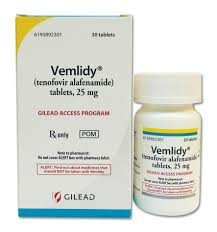
Tenofovir alafenamide fumarate tablets (Vemlidy) contraindications and unsuitable groups
Tenofovir alafenamide fumarate tablets (Vemlidy, trade name "Vemlidy") is a new oral nucleotide analog reverse transcriptase inhibitor (NRTI), mainly used for treatment Adult patients with chronic hepatitis B (CHB) can achieve virological suppression, improvement of liver function and delay in disease progression by inhibiting the replication of hepatitis B virus (HBV). Although Veride has advantages over traditional drugs in terms of efficacy and safety, there are still certain contraindications and people who are not suitable for its use. The following is a detailed analysis from four aspects: drug properties, clinical contraindications, precautions for special groups and risk management.
1. Drug properties and mechanism of action
Tenofovir alafenamide fumarate is the active ingredient of Vemlidy and is a new prodrug of tenofovir (tenofovir alafenamide, TAF). After entering hepatocytes, it is metabolized into the active triphosphate form and specifically inhibits HBV Reverse transcriptase activity, thereby preventing the replication of the viral genome. Compared with the early tenofovir disoproxil disoproxil (TDF), TAF has a high concentration in liver cells and a low concentration in plasma, which reduces the adverse effects on the kidneys and bones and is especially suitable for patients who require long-term antiviral treatment. However, the safety of the drug is still affected by the patient's underlying disease and comorbidities, so contraindications and groups of people who should use it with caution must be clarified.
2. Main contraindications
1.Patients known to be allergic to tenofovir alafenamide fumarate or drug excipients: If the patient has experienced drug allergic reactions before use, including rash, itching, dyspnea or anaphylactic shock, the use of Veride should be prohibited to avoid serious allergic reactions.
2.Patients with severe renal insufficiency or dialysis: Although TAF is less toxic to the kidneys, its metabolism still relies on renal excretion.对于 肾小球滤过率(eGFR)低于 15 mL/min 或正在接受透析的患者,药物血药浓度可能升高,增加乳酸性酸中毒或肾毒性风险,因此不建议直接使用,需在专业医生指导下谨慎评估。
3.Patients with severe liver function impairment: Veride is mainly activated in the liver. Significant impairment of liver function may lead to abnormal drug metabolism and increase the risk of toxic and side effects. Child-Pugh C must be used with extreme caution in patients with severe liver damage, and some guidelines even list it as prohibited.
4.Pregnant and lactating women (requires individualized evaluation): Existing clinical data are limited on the safety of pregnant and lactating women, although TAF is relativelyTDF Breast milk penetration is low, but it is still recommended to be used with caution after risk assessment to avoid potential effects on the fetus or infant.
3. People not suitable for use
1.Patients with renal tubular dysfunction: For patients with chronic kidney disease or drug-related renal tubular damage, long-term use may aggravate renal function damage. Even if TAF is relatively safe, regular monitoring of serum creatinine and urinary protein is required.
2.People with high risk of osteoporosis or fractures: Although TAF has less impact on bone density than TDF, long-term use may still slightly affect bone metabolism. Therefore, patients with existing osteoporosis or high risk need to pay close attention to changes in bone density and supplement calcium or vitamins if necessary. D.
3.Patients combined with other nephrotoxic drugs: If they are taking drugs such as amikacin, gentamicin, etc., they may increase the burden on the kidneys, and the risks of combined drug use should be carefully evaluated.
4.Children and adolescent patients: The safety and dosage guidelines of Veride in children are relatively limited. The current main indications are adults 18 years old and above. Minors must be used under clinical trials or under the guidance of professional doctors.
4. Risk management and monitoring suggestions
During treatment with tenofovir alafenamide fumarate, individualized risk assessment and regular monitoring should be carried out in conjunction with the patient's underlying disease. Mainly include:
1.Renal function monitoring: Review serum creatinine, eGFR and urine routine every 3 months, and adjust dosage or discontinue medication if necessary.
2.Liver function monitoring: monitor ALT, AST, total bilirubin and other indicators, especially for patients with unstable basic liver function.
3.Bone density and electrolyte monitoring: Patients undergoing long-term treatment are recommended to regularly check bone density and blood calcium and blood phosphorus levels.
4. Observation of adverse reactions: If lactic acidosis, severe liver function abnormalities or allergic reactions occur, the drug should be stopped immediately and symptomatic treatment should be given.
Summary
Tenofovir alafenamide fumarate tablets (Veride) has the advantages of high efficiency and safety in the treatment of chronic hepatitis B, but there are still clear contraindications and people who are not suitable for use. The main contraindications include those who are allergic to drugs or excipients, patients with severe renal insufficiency or dialysis, patients with severe liver damage, and pregnant and lactating women. People who are not suitable for use also include patients with renal tubular damage, patients with a high risk of osteoporosis, users of combined nephrotoxic drugs, and minors. Through strict screening of the indication population, reasonable dose adjustment and regular monitoring of kidney and liver function, bone density and adverse reactions, Veride can achieve sustained and stable antiviral efficacy while ensuring safety, and provide long-term treatment guarantee for patients with chronic hepatitis B.
Reference link:https://www.drugs.com
[ 免责声明 ] 本页面内容来自公开渠道(如FDA官网、Drugs官网、原研药厂官网等),仅供持有医疗专业资质的人员用于医学药学研究参考,不构成任何治疗建议或药品推荐。所涉药品可能未在中国大陆获批上市,不适用于中国境内销售和使用。如需治疗,请咨询正规医疗机构。本站不提供药品销售或代购服务。


