
.jpeg)
Detailed description of the scope of indications and contraindications of Mavakatai (Mefanto)
Mavacamten is a new oral small molecule drug that is a selective cardiac myosin inhibitor (myosin inhibitor). It mainly targets In patients with hypertrophic obstructive cardiomyopathy (HOCM), its mechanism of action is by inhibiting the excessive activation of cardiac myosin, thereby reducing myocardial contractility, improving left ventricular outflow tract obstruction and cardiac diastolic dysfunction. The launch of this drug provides HOCM patients with new options for non-surgical and pharmaceutical intervention, but a clear understanding of its indications and contraindications is crucial for safe clinical use of the drug.
1. Scope of indications
The main indication for MAVAKETA is Adults with significant left ventricular outflow tract obstruction HOCM Patients, especially those who are ineffective or poorly tolerated by conventional medical treatments (such as beta-blockers, calcium channel blockers). Clinical studies have shown that Mavakatai can significantly reduce the left ventricular outflow tract pressure gradient, improve cardiac diastolic function and exercise tolerance, and reduce the frequency of symptoms (such as chest tightness, shortness of breath, and palpitations).
In addition, some studies have also explored the efficacy of Mavaceta in patients with non-obstructive hypertrophic cardiomyopathy (HCM) and found that it can improve ventricular diastolic function and exercise capacity. However, this indication has not yet been officially approved in most countries and regions. In general, the core indications of Mavaceta are still focused on adult patients with obstructive HCM, especially for people whose symptoms persist and who are ineffective or poorly tolerated by traditional drug treatments.
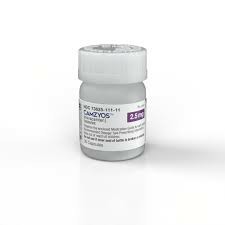
2. People with contraindications
Mavakatai is not suitable for some special groups, and its contraindications mainly include the following categories:
Patients with severely reduced left ventricular systolic function: Mavaceta improves left ventricular outflow tract obstruction by inhibiting myocardial contractility. Therefore, left ventricular ejection fraction (LVEF) lower than 55% may be at risk of further cardiac function decline and is not suitable for use.
Patients with severe arrhythmias: including patients with high-risk ventricular arrhythmias or uncontrolled atrial fibrillation. Drugs that inhibit myocardial contractility may lead to hemodynamic instability, thereby exacerbating cardiac rhythm abnormalities.
Patients with severe hepatic and renal insufficiency: Mavaceta is mainly metabolized by the liver (CYP2C19, CYP3A4) clearance, the plasma concentration of the drug may increase significantly in patients with abnormal liver function, increasing the risk of heart failure and adverse drug reactions; patients with severe renal insufficiency still lack sufficient safety data and should also be used with caution.
Pregnant and lactating women: There is currently a lack of safety studies. Use by pregnant women may affect fetal heart development, so it is contraindicated.
People who are known to be allergic to Mavacate or excipients: including patients who are allergic to drug ingredients or capsule excipients, use may cause severe allergic reactions.
3. Precautions for use
In patients with indications, hemodynamics and cardiac function indicators still need to be closely monitored when using Mavaceta. It is recommended to perform echocardiography to evaluate the left ventricular outflow tract pressure gradient and ejection fraction before use, and to review cardiac function every 4 weeks or so during medication, so that the dose can be adjusted or discontinued in a timely manner. In addition, attention should be paid to the interaction between drugs and CYP2C19 and CYP3A4 enzyme substrates, inhibitors or inducers to avoid abnormal blood drug concentrations leading to unstable cardiac function.
4. Summary
To sum up, the indications of Mavaceta are mainly concentrated in adults with hypertrophic obstructive cardiomyopathy, especially those who are ineffective or poorly tolerated by conventional drug treatment. Its contraindications include reduced left ventricular systolic function, severe arrhythmia, severe liver and kidney insufficiency, pregnant women and those allergic to drugs. Through scientific patient screening, individualized dose management and regular cardiac function monitoring, drug efficacy can be maximized while reducing potential risks, providing safe and effective long-term treatment options for HOCM patients.
Reference link:https://www.drugs.com
[ 免责声明 ] 本页面内容来自公开渠道(如FDA官网、Drugs官网、原研药厂官网等),仅供持有医疗专业资质的人员用于医学药学研究参考,不构成任何治疗建议或药品推荐。所涉药品可能未在中国大陆获批上市,不适用于中国境内销售和使用。如需治疗,请咨询正规医疗机构。本站不提供药品销售或代购服务。


