
.jpeg)
What are the findings from the clinical trials of veentuzumab/besifu
Enfortumab/Enfortumab, as an antibody drug conjugate (ADC), has received widespread attention in the field of urinary system tumors in recent years. Its innovation lies in the combination of targeted antibodies and powerful cytotoxins, which achieve precise killing by selectively recognizing cancer cell surface proteins and releasing toxins inside the cells. This mechanism brings new treatment hope to patients with advanced urothelial cancer (bladder cancer), and also makes veentuzumab the core research object of many clinical trials around the world.
In early-stage trials, researchers are primarily evaluating the drug in patients who have failed multiple lines of treatment. Since urothelial cancer is often resistant to chemotherapy and immunotherapy, the emergence of veentuzumab provides a new option for these patients. Clinical data show that it has advantages in both objective response rate and complete response rate. It can not only reduce tumor volume but also achieve complete disease remission in some patients. This breakthrough result became an important basis for its approval for listing.
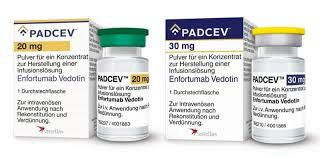
After entering the pivotal trial phase, the efficacy and safety of veentuzumab have been further verified. For example, in studies such as EV-201, the drug has demonstrated significant anti-tumor activity, and the patient's response duration is relatively ideal, which shows that the drug is not a transient response, but can maintain the therapeutic effect for a certain period of time. What's more, some patients showed no detectable signal of cancer on imaging tests, showing the potential for deep responses. Compared with traditional chemotherapy, its clinical benefits are more prominent.
Subsequent large randomized controlled trials further expanded the study population, combining veentuzumab with an immune checkpoint inhibitorpembrolizumab for patients with advanced or metastatic urothelial cancer who have not received first-line treatment. The results showed that the combination treatment group was better than the conventional platinum-based combination chemotherapy regimen in terms of disease progression-free survival and overall survival. This discovery breaks the long-standing pattern of chemotherapy-dominated first-line treatment of advanced bladder cancer, making the combination of immune and ADC a new standard exploration direction.
It is worth noting that Veentuzumab does not have a single mechanism of action. It combines the targeting of antibodies and the lethality ofMMAE toxin. While improving the efficacy, it is also accompanied by certain adverse reactions, such as rash, neuropathy, and abnormal blood sugar. However, clinicians can balance efficacy and safety in most cases by optimizing dose management and supportive care. Compared with the extensive toxic and side effects of traditional chemotherapy, this drug has more advantages in controllability and personalized treatment.
Judging from the progress of global clinical trials, veentuzumab is not limited to the research of urothelial cancer, but is also exploring its application potential in other solid tumors, such as breast cancer, head and neck cancer, etc. This trend reflects the broad prospects of antibody-conjugated drugs in the era of precision medicine.
Overall, the clinical trial findings of veentuzumab have changed the treatment landscape of advanced urothelial cancer, and its advantages in improving survival and response rates have been internationally recognized. As the first ADC drug approved for this disease, it not only verified the feasibility of antibody conjugation technology, but also provided a template for the subsequent development of similar drugs.
Reference: https://www.padcev.com/
[ 免责声明 ] 本页面内容来自公开渠道(如FDA官网、Drugs官网、原研药厂官网等),仅供持有医疗专业资质的人员用于医学药学研究参考,不构成任何治疗建议或药品推荐。所涉药品可能未在中国大陆获批上市,不适用于中国境内销售和使用。如需治疗,请咨询正规医疗机构。本站不提供药品销售或代购服务。


