
.jpeg)
Blood and liver function indicators that need to be monitored while taking regorafenib (Belvango)
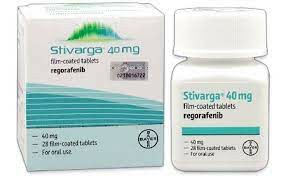
Regorafenib (Regorafenib) is a multi-target oral tyrosine kinase inhibitor widely used in the treatment of metastatic colorectal cancer, gastrointestinal stromal tumors and hepatocellular carcinoma. During the treatment process, drugs may have certain effects on the blood system and liver, so regular monitoring of hematological and liver function indicators is crucial. This not only helps to detect potential adverse reactions in time, but also guides doctors to make dosage adjustments or therapeutic interventions to ensure the safety and efficacy of medication for patients.
In terms of hematological monitoring, regorafenib may cause bone marrow suppression such as anemia, leukopenia, and thrombocytopenia. Therefore, patients should monitor complete blood counts (including hemoglobin, white blood cell differential count, and platelets) every 1–2 weeks during the initial treatment period. This can be extended to once a month when treatment becomes stable. Once a significant drop in blood cells is found, the dose needs to be adjusted or medication suspended according to the severity to avoid complications such as infection and bleeding.
Liver function monitoring is another important point in regorafenib treatment. Studies have shown that this drug may cause an increase in serum aminotransferases (ALT, AST) and bilirubin, and even drug-induced liver injury in severe cases. It is recommended that patients undergo baseline liver function testing before starting treatment and monitor it every two weeks for the first two months, and then monthly based on their condition. If it is found that the liver enzymes are elevated more than 5 times the upper limit of normal, or bilirubin is significantly elevated, the drug should be discontinued immediately and a doctor should evaluate whether permanent discontinuation is needed.
In addition, patients should also pay attention to electrolyte levels and renal function, because regorafenib may indirectly cause adverse reactions such as hypertension and dehydration, thereby increasing the burden on the liver and kidneys. Clinically, doctors usually dynamically adjust the dose based on blood and liver function monitoring results, and decide on a treatment plan based on patient tolerance. In short, regular laboratory testing and monitoring can not only reduce the risk of adverse reactions to regorafenib, but also help patients obtain longer-term and stable treatment benefits while ensuring safety.
Reference materials:https://www.drugs.com/
[ 免责声明 ] 本页面内容来自公开渠道(如FDA官网、Drugs官网、原研药厂官网等),仅供持有医疗专业资质的人员用于医学药学研究参考,不构成任何治疗建议或药品推荐。所涉药品可能未在中国大陆获批上市,不适用于中国境内销售和使用。如需治疗,请咨询正规医疗机构。本站不提供药品销售或代购服务。


