
.jpeg)
Safety assessment and risk warning of long-term use of Tepotinib
Tepotinib (Tepotinib), as a tyrosine kinase inhibitor that targets MET gene mutations, plays an important role in the treatment of non-small cell lung cancer (NSCLC). With the extension of clinical application time, patients and doctors are increasingly concerned about the long-term safety of this drug. Studies have shown that tepotinib is generally well tolerated, and common adverse reactions include peripheral edema, nausea, diarrhea, loss of appetite, and mild increases in liver function indicators. Most of these side effects can be resolved through dose adjustment, supportive treatment, or discontinuation of the drug. However, patients who take it long-term require continued follow-up to prevent the cumulative effects of adverse reactions from posing more serious health risks.
During long-term treatment, liver function monitoring is particularly critical. Clinical data show that tepotinib may cause an increase in serum aminotransferases and even risk liver damage in a few cases. Therefore, it is recommended that patients have their liver function tested every 2–4 weeks during the initial treatment period. If stable, it can be extended to every 1–3 months. Once obvious liver enzyme abnormalities are found, the need to suspend medication or adjust the dosage should be evaluated under the guidance of a physician. In addition, patients with hepatic insufficiency need to be more cautious because their drug metabolism capacity is reduced and drug accumulation may aggravate toxicity.
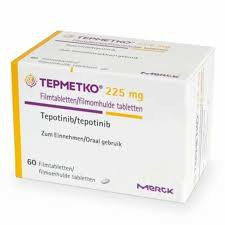
Another issue that needs to be paid attention to with long-term medication is edema. Peripheral edema is one of the most common adverse reactions of tepotinib, which may gradually worsen during long-term use, leading to edema of the lower limbs and even limited activity. Mild patients can be relieved by raising the lower limbs and auxiliary treatment with diuretics, while moderate and severe patients may need to reduce the dose or discontinue medication. In addition, weight changes and renal function need to be evaluated regularly to avoid potential fluid retention that may impose a greater burden.
In summary, the overall safety of tepotinib in long-term medication is still controllable, but scientific monitoring and individualized management are needed to maximize efficacy and reduce risks. Patients should insist on regular review under the guidance of a doctor, focusing on liver function, edema, gastrointestinal reactions, etc., and provide timely feedback when discomfort occurs. Only with adequate risk prevention and dynamic assessment can tepotinib exert its greatest advantages in the treatment of lung cancer and bring longer-lasting survival benefits to patients.
Reference materials:https://www.drugs.com/
[ 免责声明 ] 本页面内容来自公开渠道(如FDA官网、Drugs官网、原研药厂官网等),仅供持有医疗专业资质的人员用于医学药学研究参考,不构成任何治疗建议或药品推荐。所涉药品可能未在中国大陆获批上市,不适用于中国境内销售和使用。如需治疗,请咨询正规医疗机构。本站不提供药品销售或代购服务。


