
.jpeg)
Will taking pazopanib (Vita) tablets cause a fever reaction?
Pazopanib is an oral multi-target tyrosine kinase inhibitor mainly used for the treatment of advanced renal cell carcinoma and soft tissue sarcoma. While taking the drug, some patients may experience a fever reaction, which is usually related to an immune response triggered by the drug or secondary infection. Although fever is not the most common adverse reaction of pazopanib, there are individual clinical case reports suggesting that patients may experience low-grade fever or intermittent fever during treatment.
The cause of fever may be related to the effect of the drug itself on the immune system and cytokines. By inhibiting signaling pathways such as VEGFR and PDGFR, pazopanib may indirectly cause an increase in the release of inflammatory mediators, thereby triggering a fever response. In addition, while drugs inhibit tumor progression, they may also cause changes in the body's immune balance, making patients more sensitive to infection and causing fever. Therefore, clinically, it is necessary to combine the overall condition of the patient to distinguish whether it is drug-related fever or whether it is caused by infection or the progression of the disease itself.
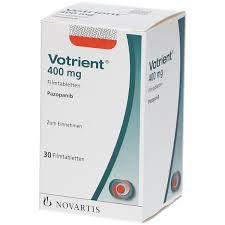
If a patient develops fever while taking pazopanib, they should first check whether there is bacterial, viral or fungal infection. Especially if it is accompanied by symptoms such as cough, sore throat, frequent urination or diarrhea, they need to seek medical attention as soon as possible to determine the cause. At the same time, the doctor will make a comprehensive judgment based on blood routine, Creactive protein, imaging examination, etc. If infection is ruled out and the symptoms are mild, the fever may be related to the drug. At this time, symptomatic treatment can be carried out under the guidance of a doctor, and whether to continue taking the drug or adjust the dose will be decided according to the condition.
Generally speaking, pazopanib-related fever reactions are rare clinical adverse events. Even if most patients develop fever, their symptoms are usually mild and controllable. The key lies in timely monitoring and identification to avoid delaying diagnosis and treatment, which may affect the treatment effect. If patients experience persistent high fever or other severe symptoms while taking the medication, they should stop taking the medication immediately and contact their doctor so that further intervention measures can be taken to ensure the safety and effectiveness of the treatment.
Reference materials:https://www.drugs.com/
[ 免责声明 ] 本页面内容来自公开渠道(如FDA官网、Drugs官网、原研药厂官网等),仅供持有医疗专业资质的人员用于医学药学研究参考,不构成任何治疗建议或药品推荐。所涉药品可能未在中国大陆获批上市,不适用于中国境内销售和使用。如需治疗,请咨询正规医疗机构。本站不提供药品销售或代购服务。


