
.jpeg)
Detailed explanation of the therapeutic principle and targeted mechanism of seliniso (Silvio)
Selinexor (Selinexor) is an oral selective inhibitor of nuclear export (Selective Inhibitor of Nuclear Export, SINE), mainly used to treat relapsed or refractory multiple myeloma and some types of lymphoma. Its therapeutic principle is based on interfering with the nuclear -plasma transport system of cancer cells, thereby blocking the proliferation and survival signals of tumor cells. Cancer cells usually rely on nuclear export proteins (such asXPO1/CRM1) to transport tumor suppressor proteins and tumor suppressor factors out of the nucleus to escape apoptosis. Selinisol specifically inhibits the function of XPO1, causing these key proteins to accumulate in the nucleus, thus restoring its ability to inhibit tumor growth.
At the molecular level, selinesol covalently binds to the XPO1 protein, preventing it from recognizing the nuclear export signal (NES) sequence for protein trafficking. This effect causes a variety of tumor suppressors such as p53, p21, FOXO and IkB to persist in the nucleus, activating cell cycle arrest and apoptosis signals. By inhibiting XPO1, cancer cells are unable to expel these inhibitory signals out of the nucleus, thereby losing the ability to escape apoptosis and increasing their sensitivity to chemotherapy and other targeted drugs.
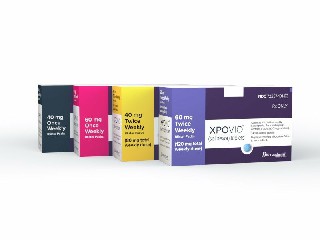
In addition, Seleniso can also indirectly regulate multiple signaling pathways, such as the NF-κB pathway, PI3K/AKT pathway, etc., inhibiting the proliferation and drug resistance mechanisms of tumor cells. NF-κB pathway is highly active in multiple myeloma and other hematological tumors, by blocking XPO 1, selinesol can inhibit the transport of NF-κB from the nucleus to the cytoplasm, reducing the viability of tumor cells. This multi-target mechanism of action allows selinesol to have significant effects on relapsed or refractory tumors in single-agent treatment.
In clinical applications, selinesol is often used in combination with low-dose dexamethasone or other anti-tumor drugs to enhance efficacy and improve tolerability. The combination program can use selinesol to restore the function of nuclear tumor suppressor proteins and further kill tumor cells through synergy. In addition, clinical studies have shown that selinesol has significant advantages in overcoming drug-resistant tumors, extending progression-free survival, and improving patient overall survival. Overall, its unique targeting mechanism provides a new therapeutic strategy for hematological malignancies.
Reference materials:https://www.drugs.com/
[ 免责声明 ] 本页面内容来自公开渠道(如FDA官网、Drugs官网、原研药厂官网等),仅供持有医疗专业资质的人员用于医学药学研究参考,不构成任何治疗建议或药品推荐。所涉药品可能未在中国大陆获批上市,不适用于中国境内销售和使用。如需治疗,请咨询正规医疗机构。本站不提供药品销售或代购服务。


