
.jpeg)
Why Vigabatrin (Ocoda) Causes Vision Damage and Preventive Measures
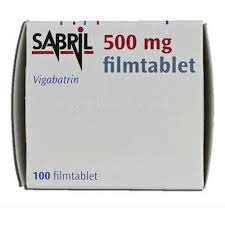
Vigabatrin (Vigabatrin) is an anti-epileptic drug that inhibits γ-aminobutyric acid (GABA) aminotransferase. It exerts anti-epileptic effects by increasing the level of GABA in the brain. However, long-term use of Vigabatrin is closely associated with retinal toxicity, and some patients may develop peripheral visual field defects or even permanent visual impairment. The mechanism of this side effect is mainly related to the accumulation of drugs in the retina and damage to photoreceptors and retinal ganglion cells. Drugs can cause metabolic disorders, increased oxidative stress, and cell apoptosis in retinal cells, resulting in progressive narrowing of the visual field.
The risk of visual impairment is closely related to the dose and duration of treatment. Clinical studies have found that patients taking long-term high-dose Vigabatrin have a significantly increased risk of visual field defects, while short-term or low-dose treatment has a relatively low risk. In addition, children, especially infants and young children, may have a higher risk of visual impairment when using Vigabatrin because their retinas have not yet fully developed. Therefore, strictly controlling the dosage and duration of treatment is an important measure to reduce the occurrence of visual impairment.
In terms of preventive measures, it is first recommended to conduct a baseline vision and visual field assessment, including retinal examination and automated visual field testing, before medication. During treatment, visual field and retinal function should be reviewed regularly to facilitate early detection of vision abnormalities. Once signs of vision loss or visual field loss occur, the dose should be adjusted or discontinued immediately to prevent further deterioration. For high-risk patients, the minimum effective dose can be used to maintain treatment while shortening the medication cycle to reduce the risk of retinal toxicity.
Additionally, patient education is equally important. Patients and their families taking Vigabatrin should be aware of the early symptoms of visual impairment, such as reduced visual field, light sensitivity, or decreased night vision, and report them to their doctor promptly. Through reasonable monitoring, dose management and patient education, the risk of visual impairment caused by Vigabatrin can be minimized and safe medication can be achieved while ensuring the anti-epileptic efficacy.
Reference materials:https://www.drugs.com/
[ 免责声明 ] 本页面内容来自公开渠道(如FDA官网、Drugs官网、原研药厂官网等),仅供持有医疗专业资质的人员用于医学药学研究参考,不构成任何治疗建议或药品推荐。所涉药品可能未在中国大陆获批上市,不适用于中国境内销售和使用。如需治疗,请咨询正规医疗机构。本站不提供药品销售或代购服务。


