.jpeg)
Common Adverse Reactions and Clinical Safety Management of Gilteritinib (Xospata)
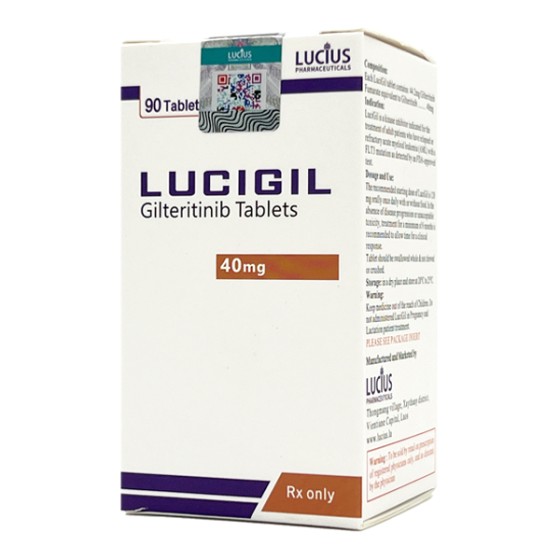
Gilteritinib(brand name Xospata)is a targeted therapy acting on the FLT3 target.While inhibiting leukemia cell growth and controlling disease progression,it presents a corresponding adverse reaction profile.Based on global clinical trial data and post-marketing safety surveillance,common mild adverse events in patients with acute myeloid leukemia(AML)during treatment include fatigue,decreased appetite,nausea,diarrhea,constipation and low-grade fever,most of which can be relieved with symptomatic management.
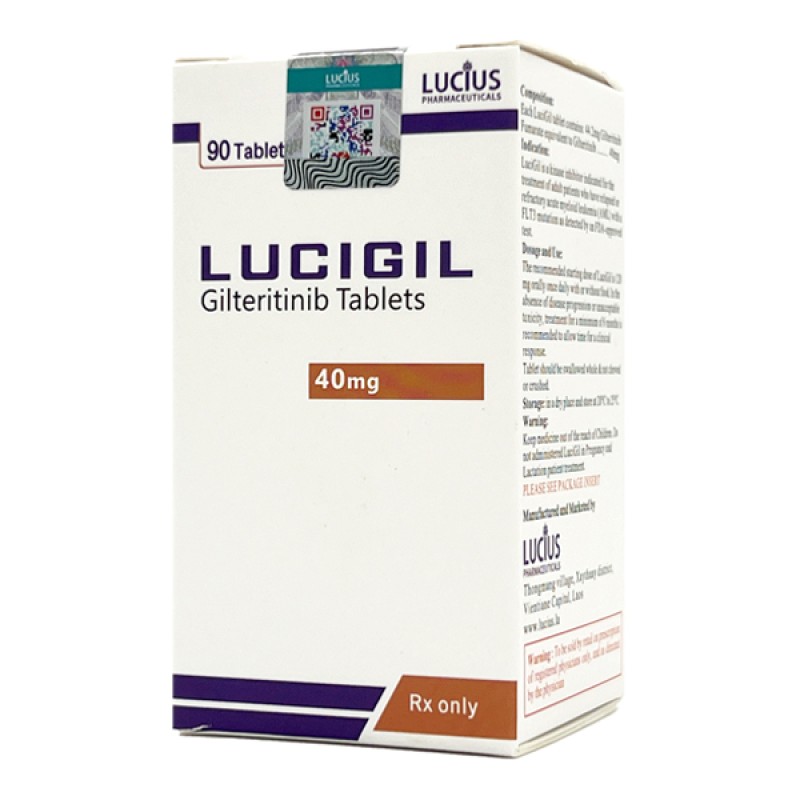
Hematologic adverse reactions are a key monitoring item during gilteritinib treatment.Since acute myeloid leukemia itself impairs bone marrow hematopoietic function,patients may develop anemia,neutropenia,platelet level fluctuations and white blood cell abnormalities after medication.These hematologic changes may be related to the pharmacological effect of the drug,or influenced by the activity status of the underlying disease.Clinical assessment should be made in combination with the patient's overall condition,rather than attributed solely to the drug.
In terms of organ safety,hepatic and cardiac risks require close attention.Gilteritinib treatment may cause elevated liver enzymes,most commonly increased alanine aminotransferase(ALT)and aspartate aminotransferase(AST).In most cases,these present as mild laboratory abnormalities that can be effectively managed through regular liver function monitoring and timely dosage adjustment,and rarely progress to severe liver injury.For cardiac safety,some patients may experience electrocardiographic changes such as QT interval prolongation,which can affect the stability of cardiac electrical activity.Therefore,patients with underlying cardiac diseases require enhanced electrocardiographic monitoring.
Differentiation syndrome is the most characteristic specific adverse reaction of gilteritinib,which calls for high clinical awareness.This reaction is triggered by the rapid maturation and differentiation of leukemia cells under the action of the drug,with typical manifestations including fever,dyspnea,weight gain,pulmonary infiltration and fluid retention.Early recognition of related symptoms and initiation of standardized intervention can effectively prevent progression to severe complications.
Overall,the vast majority of adverse reactions to gilteritinib are monitorable and manageable.With the continuous accumulation of global clinical experience in FLT3-targeted therapy,the safety profile of this agent has been fully verified and summarized by multiple international studies.Standardized whole-course management can effectively control treatment-related risks.
[ 免责声明 ] 本页面内容来自公开渠道(如FDA官网、Drugs官网、原研药厂官网等),仅供持有医疗专业资质的人员用于医学药学研究参考,不构成任何治疗建议或药品推荐。所涉药品可能未在中国大陆获批上市,不适用于中国境内销售和使用。如需治疗,请咨询正规医疗机构。本站不提供药品销售或代购服务。