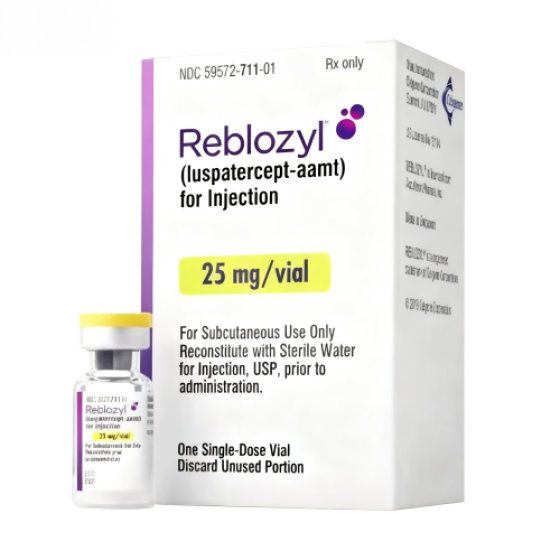
.jpeg)
Is MDS Targeted Therapy Chemotherapy? Mechanism, Genetic Testing, and Personalized Care Guide
I.Core Concept:Targeted Therapy is Not Traditional Chemotherapy
Targeted drugs for Myelodysplastic Syndromes(MDS)and traditional chemotherapy represent two fundamentally different treatment modalities.Chemotherapy acts like a"carpet bombing,"killing cancer cells by interfering with all rapidly dividing cells.However,this often damages normal tissues such as bone marrow,hair follicles,and digestive mucosa,leading to widespread adverse effects like immunosuppression,hair loss,and severe nausea.
In contrast,MDS targeted drugs function like"precision-guided missiles."Based on a deep understanding of MDS molecular biology,they specifically attack unique molecular abnormalities or signaling pathways in tumor cells.This mechanism allows targeted drugs to identify and lock onto cancer cell markers,effectively fighting tumors while minimizing damage to normal cells.Consequently,side effects of targeted therapy are generally milder and more specific,often manifesting as rash,diarrhea,or specific organ inflammation,rather than the systemic severe reactions seen with chemotherapy.
II.Prerequisite for Treatment:Genetic Testing is Crucial
The precision of targeted therapy dictates that its application must be based on rigorous diagnosis.Before starting treatment,patients must undergo comprehensive genetic testing,including mutation analysis and signaling pathway assessment.Targeted drugs can only be effective if the corresponding therapeutic targets are confirmed.
Blindly using targeted drugs without genetic testing may not only lead to treatment failure but also delay the condition.Furthermore,patients must never stop medication or adjust dosages on their own.Arbitrarily changing the regimen can easily induce drug resistance or exacerbate side effects,increasing treatment risks.Clinicians develop personalized treatment plans based on multidimensional factors such as patient age,health status,MDS classification,and genetic abnormalities.In some cases,to synergistically enhance anti-tumor effects,doctors may combine low-dose chemotherapy with targeted drugs to improve efficacy while controlling toxicity and avoiding excessive damage.
III.Management and Follow-up Strategies for All Populations
1.Healthy Adult Patients:
After completing targeted therapy under medical guidance,if confirmed to have no persistent rash,organ inflammation,hematological toxicity,or systemic intolerance,patients can gradually resume daily activities.Subsequently,they should enter a long-term follow-up phase with regular monitoring to ensure sustained treatment efficacy.
2.Pediatric Patients:
Treatment for children with MDS requires extra caution.The first step is a detailed genetic profiling assessment to formulate a targeted medication strategy.Throughout the treatment,close monitoring of the drug's potential impact on growth and development is essential.A stable treatment plan should only be maintained after confirming the absence of long-term side effects.Additionally,drug dosages must be dynamically adjusted to avoid excessive suppression that could affect normal development.
3.Elderly Patients:
While the elderly may be better suited for the low-toxicity profile of targeted therapy due to declining physical function,they still require regular check-ups and management of comorbidities.Sudden changes in treatment regimens should be avoided,and combining drugs that may impair liver or kidney function is strictly prohibited to reduce bodily burden and prevent multi-organ failure.
4.Patients with Comorbidities:
For patients with compromised immunity or impaired liver/kidney function,it is essential to confirm stable metabolic status before starting treatment.Dosage adjustments for targeted drugs must be made gradually under strict monitoring,with vigilance against drug interactions that could exacerbate existing conditions.Treatment for these patients must not be rushed;it must adhere to the principle of personalization to balance efficacy and safety.
IV.Dynamic Adjustment and Long-term Goals
During the course of treatment,if gene mutation resistance,targeted drug-related toxicity,or disease progression occurs,the treatment plan must be adjusted immediately,and supportive care provided promptly.Whether during treatment or follow-up,the core goal of management is always to balance treatment efficacy with quality of life and prevent treatment-related complications.
All treatment decisions must strictly adhere to clinical guideline standards,avoiding rigid application.Especially for special populations,personalized medication is paramount.Through refined whole-process management,we can effectively guarantee patient treatment safety and long-term health.
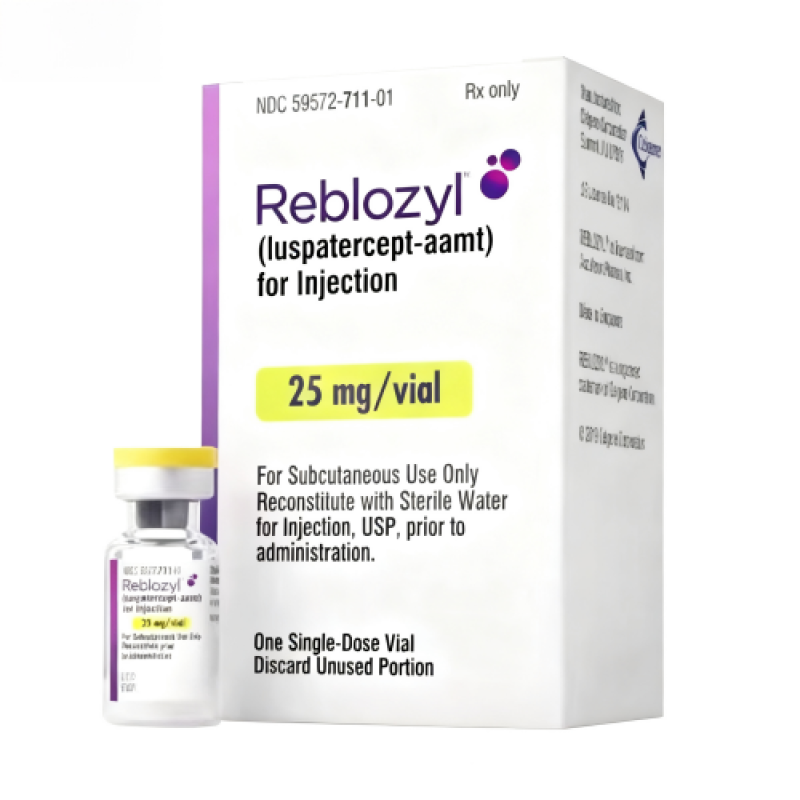
[ 免责声明 ] 本页面内容来自公开渠道(如FDA官网、Drugs官网、原研药厂官网等),仅供持有医疗专业资质的人员用于医学药学研究参考,不构成任何治疗建议或药品推荐。所涉药品可能未在中国大陆获批上市,不适用于中国境内销售和使用。如需治疗,请咨询正规医疗机构。本站不提供药品销售或代购服务。