.jpeg)
Pretomanid Combination Therapy Safety Guide: BPaL Regimen Adverse Reaction Recognition and Monitoring
Pretomanid Combination Therapy Safety:A Comprehensive Guide
1.Drug Profile and Combination Context
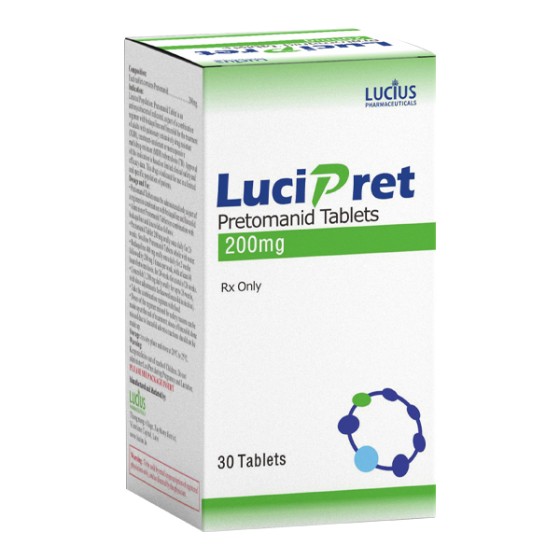
Pretomanid is a novel nitroimidazo-oxazine antimycobacterial agent that exerts bactericidal effects by inhibiting mycolic acid synthesis.In clinical practice,pretomanid is almost never used as monotherapy.Instead,it serves as a core component of the BPaL regimen—combined with bedaquiline and linezolid—specifically indicated for multidrug-resistant(MDR-TB)and extensively drug-resistant tuberculosis(XDR-TB).This three-drug oral regimen,approved by the FDA and other regulatory agencies,dramatically shortens the treatment duration for resistant TB.However,because all three agents act simultaneously,attributing any adverse event to a single component is challenging and requires systematic clinical judgment.
2.Gastrointestinal Adverse Reactions
During BPaL treatment,some patients experience nausea,vomiting,diarrhea,abdominal pain,or general gastrointestinal discomfort.These symptoms may stem from pretomanid,bedaquiline,linezolid,or any combination thereof.When multiple drugs with gastrointestinal toxicity potential are administered concurrently,patient discomfort is often amplified.Clinically,it is inappropriate to assign causality based on a single symptom.Mild gastrointestinal reactions can often be managed by adjusting administration timing(e.g.,taking with food),eating smaller frequent meals,or using symptomatic antiemetics or antidiarrheals.If symptoms worsen or compromise nutritional intake,temporary interruption of one component followed by systematic reintroduction may be necessary to identify the culprit.
3.Hepatotoxicity Monitoring
Both pretomanid and bedaquiline carry potential hepatotoxicity risks.FDA safety data explicitly highlight the need for close attention to drug-induced liver injury during BPaL therapy.Regular monitoring of liver function tests—including ALT,AST,total bilirubin,and alkaline phosphatase—is mandatory throughout treatment.
Patients and caregivers should be educated to recognize warning signs:marked loss of appetite,persistent nausea or vomiting,dark urine(tea-colored),and yellowing of the skin or sclera(jaundice).Any of these manifestations warrant immediate medical evaluation rather than continued self-administration.Patients with pre-existing liver disease require even more intensive baseline assessment and follow-up.If drug-induced liver injury is confirmed,temporary discontinuation of the offending agent(s)may be required,with re-challenge guided by individualized risk-benefit assessment after recovery.
4.Myelosuppression and Hematologic Monitoring
Linezolid is the primary source of myelosuppression within the BPaL regimen.It can suppress bone marrow hematopoiesis,leading to anemia,leukopenia,neutropenia,and thrombocytopenia.Clinical manifestations include fatigue,dizziness,increased susceptibility to infections,easy bruising,or bleeding tendencies.FDA labeling identifies myelosuppression as a key safety concern of the combination.
Regular complete blood count monitoring—typically every 2 to 4 weeks,with increased frequency for high-risk patients—is essential.When hemoglobin or platelet counts fall below specific thresholds,linezolid may need to be held or dose-reduced.Severe anemia may require red blood cell transfusion,while severe neutropenia necessitates infection precautions and may warrant granulocyte colony-stimulating factor.Although pretomanid itself has a relatively modest hematologic profile,the entire regimen must be monitored holistically for bone marrow effects.
5.Peripheral Neuropathy and Optic Neuropathy
Another prominent safety issue with linezolid is peripheral and optic nerve toxicity.Peripheral neuropathy presents as numbness,tingling,burning sensations,muscle weakness,or gait difficulty in the hands and feet.Optic neuropathy may manifest as blurred vision,altered color perception,or visual field defects.FDA documentation lists both neuropathies as important safety warnings for the BPaL regimen.
Patients should be instructed to report any such symptoms immediately.Early recognition and intervention are critical—delayed management may result in irreversible nerve damage.Strategies include linezolid dose reduction,temporary discontinuation,or supplementation with B-vitamins(though evidence for prevention is limited).Patients with established peripheral neuropathy require fall precautions and daily activity modifications.Regular neurologic examinations and vision assessments are integral to long-term safety monitoring.
6.Treatment Duration and Individualized Tolerance
The BPaL regimen is relatively condensed,with a standard duration of 6 months—a substantial reduction compared to traditional MDR-TB regimens that often exceed 18 to 24 months.However,successful completion depends on multiple variables:baseline health status,hepatic and renal reserve,concomitant medications,and individual tolerance to adverse effects.
It is important to clarify:mild discomfort does not automatically mean treatment must stop—many side effects can be overcome through dose adjustment,symptomatic support,or brief interruption followed by reintroduction.Conversely,severe or persistent adverse reactions should never be endured passively.Such an approach risks irreversible organ damage and worsens long-term outcomes.The optimal management model involves a structured follow-up system where infectious disease or TB specialists dynamically adjust the regimen based on laboratory data and clinical symptoms,striking a balance between efficacy maximization and toxicity minimization.
[ 免责声明 ] 本页面内容来自公开渠道(如FDA官网、Drugs官网、原研药厂官网等),仅供持有医疗专业资质的人员用于医学药学研究参考,不构成任何治疗建议或药品推荐。所涉药品可能未在中国大陆获批上市,不适用于中国境内销售和使用。如需治疗,请咨询正规医疗机构。本站不提供药品销售或代购服务。