.jpeg)
Cabozantinib Overview: Multi-Target TKI Efficacy and Safety Monitoring for Bleeding, Hypertension, Thrombosis
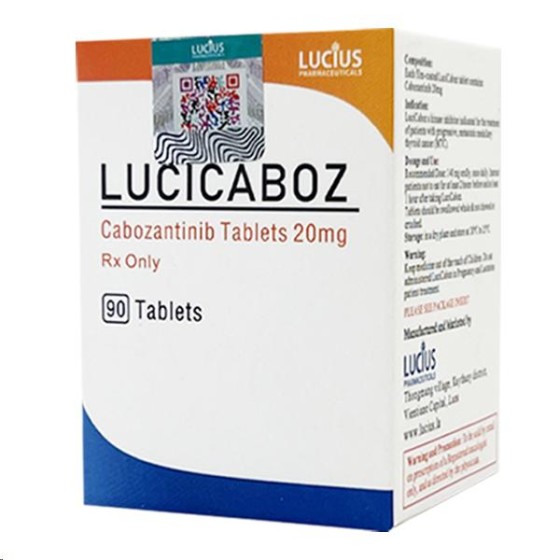
Cabozantinib is an oral multi-target tyrosine kinase inhibitor that mainly affects VEGFR2,MET,AXL,and RET pathways,thereby interfering with tumor angiogenesis,proliferation,and metastasis-related signaling.Clinical benefit depends on tumor type,prior therapy,molecular profile,and patient condition;it should not be viewed as a universal targeted drug.
In renal cell carcinoma,cabozantinib is used for advanced disease and,in combination with nivolumab,as one first-line option;real-world experience and CheckMate 9ER support this approach.In hepatocellular carcinoma,it is mainly applied after disease progression on prior sorafenib as a later-line option.For thyroid cancer,cabozantinib can be used in progressive,metastatic medullary thyroid carcinoma;in radioiodine-refractory or radioiodine-unsuitable differentiated thyroid cancer that has progressed after prior VEGFR-targeted therapy,it may be considered,with COSMIC-311 providing supporting evidence.For neuroendocrine tumors,the 2025 expansion covers pretreated unresectable,locally advanced,or metastatic well-differentiated pancreatic neuroendocrine tumors and extra-pancreatic neuroendocrine tumors;the CABINET phase III trial showed median progression-free survival of about 13.8 months with cabozantinib versus about 3.3 months with placebo in pancreatic NET,and about 8.4–8.5 months versus about 3.9–4.2 months in extra-pancreatic NET.
Safety monitoring focuses on several areas.Serious,potentially life-threatening bleeding can occur;patients with recent severe hemoptysis,gastrointestinal bleeding,or other active bleeding should generally not start therapy.Gastrointestinal perforation and fistula are possible,and persistent abdominal pain,distension,fever,vomiting,or abnormal drainage requires prompt evaluation.Hypertension is common;blood pressure should be checked regularly,and severe or uncontrolled hypertension may require holding or modifying treatment.Arterial and venous thrombotic events,including myocardial infarction,stroke,deep vein thrombosis,and pulmonary embolism,require reassessment if serious.Hand-foot syndrome may cause palmar-plantar redness,pain,numbness,and peeling;dose interruption or reduction may be needed when daily activity is affected.Diarrhea,fatigue,decreased appetite,weight loss,stomatitis,and liver-function abnormalities are also relevant.
For medication management,perioperative planning usually involves stopping cabozantinib at least 3 weeks before surgery,adjusted by procedure type,bleeding risk,and wound-healing needs with input from surgical and oncology teams.Delayed wound healing,infection,or dehiscence should delay restart.Dose selection,missed-dose handling,interactions with strong inducers or inhibitors,and hepatic-impairment adjustments must follow the prescribing information and specialist guidance.Cabozantinib is not a substitute for chemotherapy,immunotherapy,or other targeted agents;sequencing and combination depend on the tumor type and prior treatment.
[ 免责声明 ] 本页面内容来自公开渠道(如FDA官网、Drugs官网、原研药厂官网等),仅供持有医疗专业资质的人员用于医学药学研究参考,不构成任何治疗建议或药品推荐。所涉药品可能未在中国大陆获批上市,不适用于中国境内销售和使用。如需治疗,请咨询正规医疗机构。本站不提供药品销售或代购服务。