.jpeg)
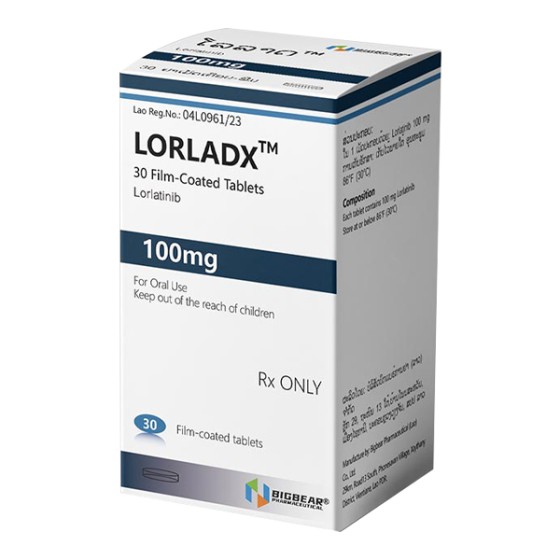
Lorlatinib: Mechanism, Advantages, and Key Considerations of Third-Generation ALK Inhibitor Therapy in ALK-Positive NSCLC
1.ALK Gene Fusions and Non-Small Cell Lung Cancer
Approximately 3%to 7%of patients with non-small cell lung cancer(NSCLC)harbor ALK(anaplastic lymphoma kinase)gene fusions.These chromosomal rearrangements result in constitutively activated ALK proteins that drive uncontrolled tumor cell proliferation and survival.ALK fusion-positive lung cancer tends to occur in relatively younger patients with adenocarcinoma histology and minimal or no smoking history,presenting a distinct molecular and clinical profile.Consequently,ALK gene testing has become an essential prerequisite for formulating precision treatment strategies in advanced NSCLC.
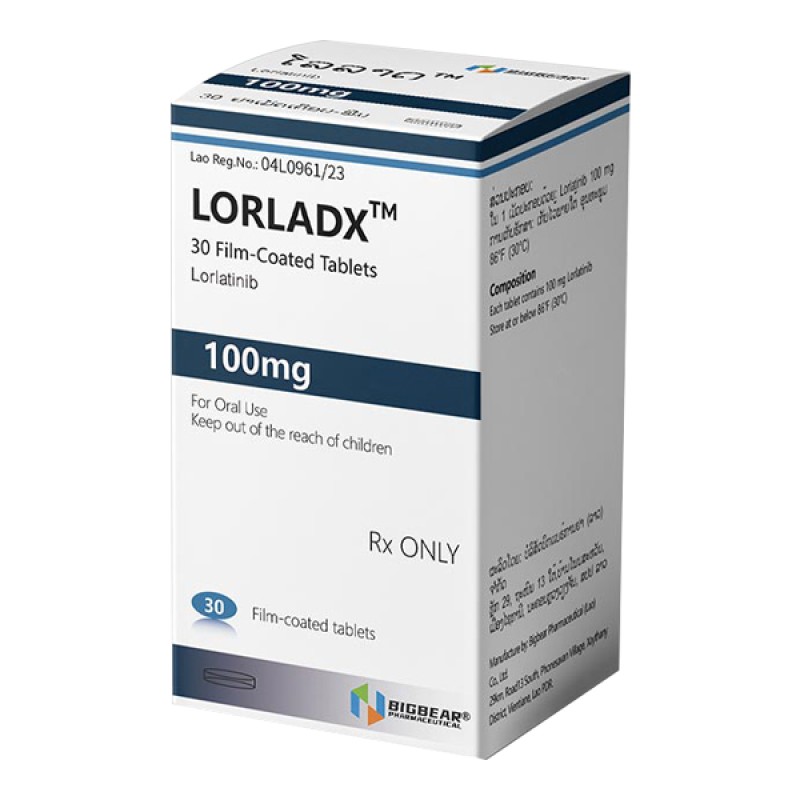
2.Mechanism of Action of Lorlatinib
Lorlatinib is a third-generation ALK tyrosine kinase inhibitor(TKI)that competitively binds to the ATP-binding site of the ALK protein,blocking downstream aberrant signaling cascades and thereby inhibiting tumor cell proliferation,survival,and metastatic potential.Compared with first-and second-generation ALK inhibitors,lorlatinib features an optimized molecular structure that retains inhibitory activity against multiple known ALK resistance mutations(such as G1202R),providing a subsequent treatment option for patients who have progressed on prior ALK-targeted therapies.
3.Central Nervous System Penetration Advantage
Patients with ALK-positive NSCLC face a substantial risk of developing brain metastases.Conventional chemotherapy agents and some earlier-generation targeted drugs poorly penetrate the blood-brain barrier,resulting in inadequate intracranial disease control.Lorlatinib was designed with favorable lipophilicity and a low P-glycoprotein efflux ratio,enabling effective blood-brain barrier penetration and achievement of therapeutically meaningful concentrations in cerebrospinal fluid.This property confers unique therapeutic value for ALK-positive lung cancer patients with existing brain metastases or those at high risk for CNS involvement.
4.Clinical Efficacy and Influencing Factors
Lorlatinib demonstrates significant antitumor activity in ALK-positive advanced NSCLC,enabling a substantial proportion of patients to achieve disease response or prolonged stabilization.However,individual treatment outcomes are influenced by multiple factors,including the specific ALK fusion variant and co-occurring mutation profile,disease stage and tumor burden,number and type of prior treatment lines received,and overall performance status and organ function.Not all lung cancer patients are candidates for this therapy—ALK positivity must be confirmed through validated gene testing before treatment initiation.
5.Key Adverse Effects and Monitoring Considerations
Adverse reactions during lorlatinib treatment span multiple organ systems and require vigilant monitoring by both patients and healthcare teams:
Metabolic effects:Hypercholesterolemia and hypertriglyceridemia are among the most prominent adverse reactions,occurring at relatively high frequencies.Regular lipid panel monitoring is essential during treatment,with initiation of lipid-lowering therapy or dose adjustments as clinically indicated.
Neurological and psychiatric effects:Some patients may experience cognitive changes(such as decreased attention,memory impairment,or speech difficulties),mood disturbances(including anxiety,depression,or irritability),and peripheral neuropathy(manifesting as numbness or paresthesia in extremities).Any significant neuropsychiatric symptoms should be promptly reported to the treating physician for evaluation of potential regimen modifications.
Other common adverse reactions:These include peripheral edema,weight gain,fatigue,arthralgia,and diarrhea—most are mild to moderate in severity and manageable with supportive care.
6.Dosing Principles and Long-Term Management
The standard dosing regimen for lorlatinib is once-daily oral administration,independent of food intake.Patients should maintain a consistent daily dosing time and must not independently adjust the dose or interrupt treatment.Regular imaging assessments(to evaluate treatment response),hematologic testing,and lipid monitoring should be performed as directed by the treating physician.If intolerable adverse effects occur,dose modifications should be implemented under medical supervision rather than through self-directed treatment cessation.
7.Summary
As a third-generation ALK inhibitor,lorlatinib occupies a critical position in the ALK-positive NSCLC treatment landscape due to its coverage of multiple resistance mutations and superior CNS penetration.Adherence to prescribed dosing,regular monitoring,and proactive adverse effect management are essential to ensuring sustained therapeutic benefit for patients.
[ 免责声明 ] 本页面内容来自公开渠道(如FDA官网、Drugs官网、原研药厂官网等),仅供持有医疗专业资质的人员用于医学药学研究参考,不构成任何治疗建议或药品推荐。所涉药品可能未在中国大陆获批上市,不适用于中国境内销售和使用。如需治疗,请咨询正规医疗机构。本站不提供药品销售或代购服务。