.jpeg)
Pemigatinib Side Effects Explained: Managing Adverse Reactions of FGFR-Targeted Therapy in Cholangiocarcinoma
1.Mechanism of Action and Origin of Adverse Effects
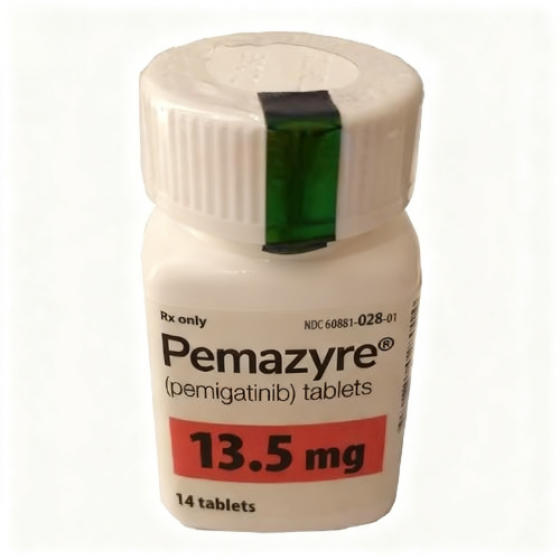
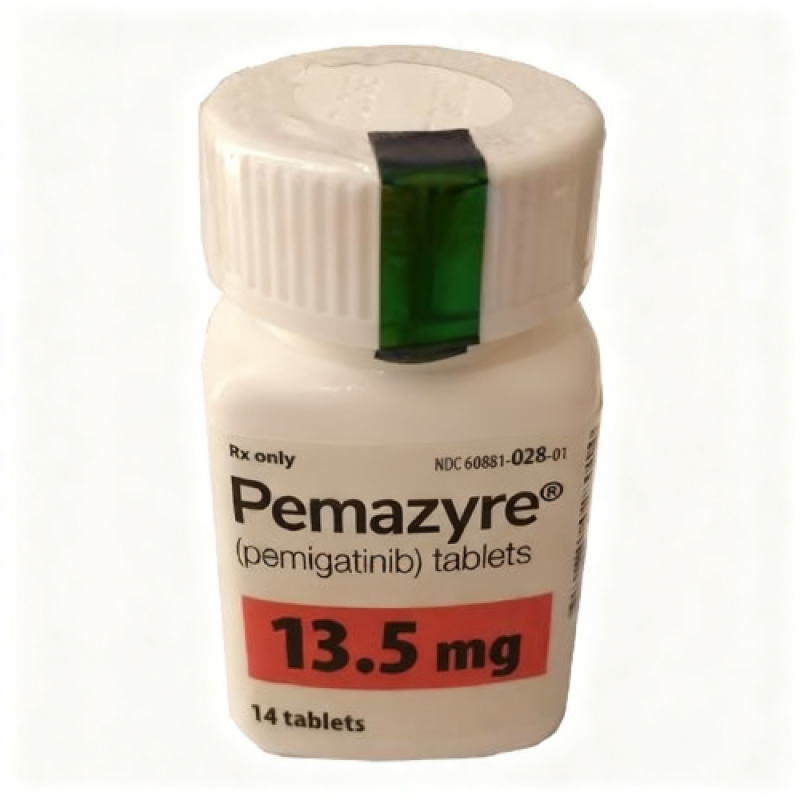
Pemigatinib is an oral selective fibroblast growth factor receptor(FGFR)inhibitor indicated for adult patients with previously treated,unresectable locally advanced or metastatic cholangiocarcinoma(CCA)harboring FGFR2 fusions or other rearrangements who have progressed on or after at least one prior line of systemic therapy.Because the FGFR signaling pathway plays physiological roles in phosphate metabolism regulation,epithelial cell maintenance,and tissue repair in normal tissues,inhibition of this pathway produces mechanism-related adverse effects alongside its antitumor activity.
2.Spectrum of Common Adverse Reactions
Based on clinical trial data and prescribing information,commonly observed adverse reactions during pemigatinib treatment include:hyperphosphatemia(the most characteristic adverse effect of FGFR inhibitor-class drugs,with a high incidence rate),alopecia,stomatitis(oral mucositis),fatigue,dry skin,diarrhea,nail disorders(paronychia,nail discoloration,or brittleness),decreased appetite,nausea,arthralgia,and dysgeusia.Laboratory abnormalities may also include elevated creatinine,elevated alkaline phosphatase,and hyponatremia.
Hyperphosphatemia occurs because FGFR inhibition increases renal phosphate reabsorption.Mild elevations are typically asymptomatic,but persistent or severe hyperphosphatemia may increase the risk of soft tissue calcification and cardiovascular events,necessitating regular monitoring of serum phosphate levels.
3.Severity and Individual Variability
The severity of pemigatinib-related adverse reactions varies considerably among individuals,and not all patients experience severe symptoms.The majority of adverse events are mild to moderate(Grade 1–2)and can be managed with supportive care,dietary modifications,or temporary dose interruption.Compared with conventional cytotoxic chemotherapy,pemigatinib generally does not cause significant myelosuppression(such as severe neutropenia),and its overall tolerability profile is relatively favorable.However,long-term treatment requires ongoing attention to potential effects on the skin,eyes,metabolism,and renal function.
4.Ophthalmologic Monitoring:A Critical Consideration
Special vigilance for ocular adverse events is required during pemigatinib therapy.Clinical studies have reported retinal pigment epithelial detachment(RPED),serous retinal detachment,and other ocular abnormalities,some of which may affect vision.It is recommended that patients undergo baseline ophthalmologic examination(including optical coherence tomography,OCT)before initiating treatment,with periodic follow-up examinations(e.g.,every 2 months or upon onset of visual symptoms)during therapy.If symptoms such as blurred vision,metamorphopsia,photopsia,or visual field defects occur,patients should seek immediate ophthalmologic evaluation and temporarily discontinue the drug until the treating physician determines whether to resume treatment or adjust the dose.
5.Management Strategy for Hyperphosphatemia
A tiered management approach is typically employed for pemigatinib-induced hyperphosphatemia:mild elevations can often be addressed through dietary phosphorus restriction(reducing intake of dairy products,nuts,and processed meats);if phosphate levels remain persistently elevated or reach intervention thresholds,physicians may prescribe phosphate binders(e.g.,sevelamer carbonate)to assist in lowering serum phosphate;in cases of severe or symptomatic hyperphosphatemia,temporary discontinuation of pemigatinib may be necessary,with resumption at a reduced dose once phosphate levels return to a safe range.
6.Dose Modification and Long-Term Treatment Principles
The standard dosing regimen for pemigatinib is 13.5 mg orally once daily for 14 consecutive days followed by 7 days off,constituting a 21-day cycle,repeated until disease progression or unacceptable toxicity.Patients must strictly adhere to the prescribed schedule and should not independently adjust the dose or alter the number of treatment days.For Grade 3 or higher adverse reactions,or intolerable Grade 2 reactions,treatment should typically be interrupted until symptoms resolve to Grade≤1,then resumed at the same or a reduced dose level(e.g.,from 13.5 mg to 9 mg,then to 4.5 mg).If the lowest dose level remains intolerable,permanent discontinuation should be considered.
7.Summary
As a key targeted therapy option for FGFR2 fusion/rearrangement-positive cholangiocarcinoma,pemigatinib's adverse effect profile is predictable and manageable.Through structured phosphate monitoring,regular ophthalmologic examinations,appropriate dietary management,and timely dose modifications when necessary,most patients can sustain treatment benefits while maintaining quality of life.Any new or worsening symptoms should be promptly communicated to the healthcare team—self-management without medical guidance is strongly discouraged.
[ 免责声明 ] 本页面内容来自公开渠道(如FDA官网、Drugs官网、原研药厂官网等),仅供持有医疗专业资质的人员用于医学药学研究参考,不构成任何治疗建议或药品推荐。所涉药品可能未在中国大陆获批上市,不适用于中国境内销售和使用。如需治疗,请咨询正规医疗机构。本站不提供药品销售或代购服务。