
.jpeg)
Efficacy, effects and applicable groups of brigatinib/brigatinib (Embry)
Brigatinib/Brigatinib (Brigatinib) is an oral small molecule targeted drug, mainly used to treat patients with ALK (anaplastic lymphoma kinase)-positive non-small cell lung cancer (NSCLC). It is a second-generation ALK inhibitor designed to overcome patients who are resistant to first-generation ALK inhibitors such as crizotinib. It also shows excellent efficacy in newly treated ALK-positive NSCLC. Brigatinib irreversibly inhibits the activity of ALK kinase and blocks its downstream signaling pathways, thereby inhibiting tumor cell proliferation, inducing apoptosis, and delaying disease progression. This drug not only acts on peripheral tumors, but can also penetrate the blood-brain barrier. It also has a significant effect on patients with brain metastases and shows strong central nervous system activity. This is an advantage that other ALK inhibitors are difficult to fully achieve.
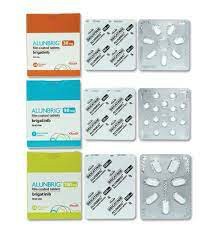
The applicable population of brigatinib mainly includes two types of patients: one is adult metastatic NSCLC patients who have not previously receivedALK inhibitor treatment, and they show ALK-positive mutations in genetic testing; the other is patients who are resistant or intolerant to first-generation ALK inhibitors such as crizotinib. These patients have relatively limited treatment options, and brigatinib provides an effective alternative. Clinical studies have shown that brigatinib can significantly delay disease progression, improve objective response rates, and achieve control of brain metastases in some patients in both types of patients.
The mechanism of action of brigatinib is mainly by highly selectively targetingALK kinase and its drug-resistant mutant isoforms, thereby inhibiting the signal transduction of cancer cells. Its irreversible binding properties allow the drug to continue to act in the body and maintain the anti-tumor effect even when the blood concentration drops slightly. In addition, brigatinib has shown inhibitory effects on some HER family-related kinases in laboratory and animal models, which may further enhance its anti-tumor activity.
In clinical use, brigatinib can significantly improvethe quality of life of patients with ALK-positive NSCLC. Its oral delivery method allows patients to continue treatment in a home environment while reducing the inconvenience of frequent hospitalization or intravenous administration. Common adverse reactions include rash, diarrhea, increased blood pressure, and abnormal liver function indicators, but most patients can be effectively managed with dose adjustment and symptomatic treatment. Patients need to undergo ALK gene testing before treatment to clarify the indications. At the same time, patients need to be followed up regularly during the medication, including blood routine, liver and kidney function, and electrocardiogram, etc., to ensure safety and efficacy.
In general, brigatinib is a drug with high selectivity, high efficacy and ability to control brain metastasisALK inhibitors are suitable for patients with ALK-positive NSCLC, including treatment-naïve patients and drug-resistant patients. It provides a reliable targeted treatment option for clinical practice by blocking key pathways for tumor growth, and at the same time provides patients with the possibility of delaying disease progression and improving quality of life. Rational use of brigatinib and scientific monitoring of efficacy and adverse reactions are the keys to achieving the best therapeutic effect.
Reference materials:https://www.alunbrig.com/
[ 免责声明 ] 本页面内容来自公开渠道(如FDA官网、Drugs官网、原研药厂官网等),仅供持有医疗专业资质的人员用于医学药学研究参考,不构成任何治疗建议或药品推荐。所涉药品可能未在中国大陆获批上市,不适用于中国境内销售和使用。如需治疗,请咨询正规医疗机构。本站不提供药品销售或代购服务。


