
.jpeg)
Analysis of the efficacy of dabrafenib combined with trametinib in the treatment of BRAF mutated melanoma
1. Disease background and the emergence of targeted therapy
Melanoma is a highly malignant skin tumor, and the prognosis of patients with advanced stage is generally poor. With the development of molecular biology, it has been found that about 40%–50% of melanoma patients carry BRAF V600E or V600K mutations. This discovery provides the possibility for targeted therapy. BRAF mutations lead to the continuous activation of the MAPK/ERK pathway and promote the unlimited proliferation of tumor cells. Although early single-drug BRAF inhibitors (such as dabrafenib and vemurafenib) can quickly shrink tumors, their efficacy is often difficult to sustain, and drug resistance usually occurs within months. Therefore, scientists combined BRAF inhibitors with MEK inhibitors and proposed an "upstream and downstream dual blockade" strategy. The combination of dabrafenib and trametinib is a representative solution.
2. Mechanism of action and joint advantages
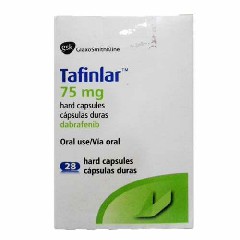
Dabrafenib is a highly selectiveBRAF inhibitor that can directly inhibitBRAF The activity of V600mutated kinase prevents abnormal signal transduction; as a MEK inhibitor, trametinib can further block the MAPK pathway downstream. The combination of the two not only enhances the anti-tumor effect, but also reduces the incidence of drug resistance and some skin-related toxicities that are common in monotherapy. Studies have shown that compared with single drugs, the D+T combination has obvious advantages in terms of objective response rate (ORR), progression-free survival (PFS), and overall survival (OS).
3. Evidence of efficacy in metastatic melanoma
InCOMBI-d and COMBI-v two large-scaleIII< In the /span> phase clinical study, researchers compared the efficacy of the D+T combination with the BRAF inhibitor alone. The results showed that the median PFS of the combination group was generally around 11-12 months, while the median PFS of the single-drug group was usually less than 8 months. More importantly, long-term follow-up found thatD+TAfter 5yearsOS reached more than , and some patients even experienced a "plateau period" of long-term survival. This is a major breakthrough for metastatic melanoma, which traditionally has a very poor prognosis. Especially for patients with normal LDH and low tumor burden, the long-term benefits of combination therapy are more significant.
4. Progress and significance of adjuvant therapy
In addition to its application in metastatic or unresectable patients, the D+T combination has also shown value in adjuvant therapy. The COMBI-AD study enrolled patients with post-resection III stage BRAF mutation melanoma and received D+T adjuvant therapy for 12 months. The results showed that the 5 year recurrence-free survival rate (RFS) was significantly higher than the placebo group (52% vs 36%), and the risk of recurrence or death was reduced by nearly half. This result confirms that targeted drugs can not only delay disease progression, but also reduce the risk of recurrence in high-risk groups after surgery, giving patients hope for longer-term survival.
5. Adverse reactions and management strategies
In terms of safety, D+Tcommon side effects of combination therapy include fever, fatigue, joint pain, rash, abnormal liver function and hypertension. The most prominent of these is febrile syndrome, in which some patients may discontinue treatment due to repeated high fever. To address this problem, clinical measures such as drug withdrawal, symptomatic antipyretic drugs, and short-course hormones if necessary are usually adopted. Most patients can tolerate and continue treatment. In addition, cardiac function, eye health and hematological indicators need to be monitored to detect potential risks in a timely manner. Overall, the adverse reactions of D+T are controllable, and most of them can be resolved through dose adjustment or symptomatic treatment.
6. Comparison with immunotherapy and sequence selection
In recent years, immune checkpoint inhibitors (such as PD-1 monoclonal antibodies, PD-1 combined with CTLA-4 monoclonal antibodies) have also made breakthroughs in the treatment of melanoma. In contrast, the advantage of immunotherapy is that some patients can achieve durable or even curative remission, but the onset of effect is slower. And D+TThe advantage of the combination is that it takes effect quickly and can quickly control the tumor burden in the short term. Therefore, in clinical practice, if the patient's condition is critical or the tumor progresses rapidly, D+T is often given priority; if the patient's condition is stable and immune toxicity can be tolerated, immunotherapy may bring longer-term benefits. How to choose and rank between the two still requires individualized decision-making based on the patient's specific situation, prognostic factors, and financial affordability.
7. Long-term efficacy and future prospects
Although theD+T combination still inevitably develops resistance in most patients, some patients can achieve progression-free survival for many years, which shows that combination therapy does change the natural course of some patients. Future research will focus on: how to delay the occurrence of resistance mechanisms, how to organically combine targeted therapy with immunotherapy, and how to use biomarkers to screen those who will benefit. As more clinical trial results are released, D+T may complement immunotherapy to develop more precise treatment plans for different types of patients.
Overall, dabrafenib combined with trametinib has brought significant improvement in efficacy to patients with BRAF mutated melanoma, showing a strong survival benefit in both metastatic disease and postoperative adjuvant therapy. It has rapid onset of action, high remission rate, and long-term survival for some patients. It is currently an important treatment model for BRAF mutated melanoma. Of course, the management of adverse reactions, selection of treatment sequences, and long-term drug resistance issues still need to be further explored. For patients, standard medication use under the guidance of professional doctors, combined with immunotherapy and individualized management, will be the key to maximizing benefits.
Reference materials:https://www.drugs.com/
[ 免责声明 ] 本页面内容来自公开渠道(如FDA官网、Drugs官网、原研药厂官网等),仅供持有医疗专业资质的人员用于医学药学研究参考,不构成任何治疗建议或药品推荐。所涉药品可能未在中国大陆获批上市,不适用于中国境内销售和使用。如需治疗,请咨询正规医疗机构。本站不提供药品销售或代购服务。


