
.jpeg)
How long does it usually take to safely stop taking the targeted drug Axitinib (Inlida)?
Axitinib is an angiogenesis inhibitor that mainly inhibits the formation of new blood vessels in tumors by inhibiting VEGFR (vascular endothelial growth factor receptor), thereby controlling tumor growth and metastasis. The drug is commonly used for conditions such as advanced renal cell carcinoma, and often requires long-term use to maintain efficacy. Patients often pay attention to "when can the drug be stopped" during use, but in fact, axitinib does not have a clear fixed course of treatment, and it is often necessary to decide whether to continue using axitinib based on disease control, imaging review results, and patient tolerance.
Because axitinib is a targeted drug that controls tumor growth rather than a radical treatment, stopping the drug hastily often carries the risk of disease progression or recurrence. It has been clinically observed that some patients may experience faster tumor growth or even risk of drug resistance after discontinuing treatment. Therefore, usually only after the tumor is in complete remission and after a long period of maintenance treatment, doctors will carefully consider whether to gradually reduce the drug instead of stopping it suddenly. For most patients, discontinuation often means the need for new treatment options or combinations.
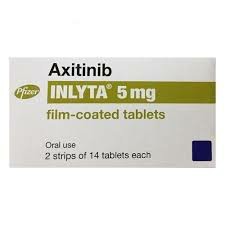
In clinical practice, the discontinuation of axitinib usually occurs in the following situations: first, patients experience severe adverse reactions, such as uncontrollable high blood pressure, severe liver and kidney damage, etc., and doctors have to adjust the dose or even discontinue the drug; second, the disease progresses and the original regimen loses efficacy, and other targeted drugs or immunotherapy need to be replaced; third, a small number of patients achieve complete remission during long-term follow-up, and doctors may try to discontinue the drug under close monitoring, but this situation is uncommon. Therefore, whether to discontinue medication should be based on individualized assessment and must be conducted under the guidance of a physician.
Patients who are receiving axitinib should never stop taking the drug or change the dose. The correct approach is to regularly review imaging and hematology indicators, promptly report adverse reactions to the doctor, and have a professional team comprehensively evaluate the treatment effect and tolerance. If the patient's long-term efficacy is stable, he can discuss with his doctor whether it is appropriate to reduce the dose or discontinue the drug. However, in most cases, axitinib needs to be taken for a long time to maintain disease control. In short, the decision to discontinue axitinib should be individualized, taking into account not only tumor control, but also the patient's quality of life and safety.
Reference materials:https://www.drugs.com/
[ 免责声明 ] 本页面内容来自公开渠道(如FDA官网、Drugs官网、原研药厂官网等),仅供持有医疗专业资质的人员用于医学药学研究参考,不构成任何治疗建议或药品推荐。所涉药品可能未在中国大陆获批上市,不适用于中国境内销售和使用。如需治疗,请咨询正规医疗机构。本站不提供药品销售或代购服务。


