
.jpeg)
The main functions and efficacy of axitinib (Inlida) and its effect in the treatment of renal cell carcinoma
Axitinib is a highly selective oral small molecule tyrosine kinase inhibitor that mainly targets vascular endothelial growth factor receptors (VEGFR) 1, 2, 3, thereby exerting anti-tumor effects. The VEGFR signaling pathway plays a central role in tumor angiogenesis, and solid tumors such as renal clear cell carcinoma (RCC) are highly dependent on angiogenesis to maintain tumor growth and nutrient supply. By inhibiting the kinase activity of VEGFR, axitinib can effectively block tumor blood vessel formation and reduce the blood flow supply of tumor tissue, thereby inhibiting tumor cell proliferation, inducing apoptosis, and delaying tumor progression.
In the treatment of renal cell carcinoma, axitinib is mainly used for patients with advanced or metastatic RCC, especially those who have previously received sorafenib (SorafenibSorafenib Patients who still experience disease progression after treatment with VEGFR inhibitors such as sunitinib (pan>) or sunitinib (Sunitinib). Clinical trial data show that for patients who have failed previous VEGFR inhibitor treatment, the overall response rate (ORR) of axitinib can reach 19%-25%, and the median progression-free survival (PFS) is about 6.7 months. This means that axitinib can play a significant role in controlling tumor growth and delaying disease progression, providing an effective option for subsequent treatment.
Axitinib also demonstrated good safety and tolerability while controlling tumor progression. Common adverse reactions include hypertension, hand-foot syndrome, proteinuria, fatigue, nausea and mild gastrointestinal reactions. Most adverse reactions are mild to moderate and can be effectively alleviated through appropriate drug management and dose adjustment. For example, patients with high blood pressure can be managed with antihypertensive medications, and hand-foot syndrome can improve with topical care and friction reduction. In clinical practice, regular monitoring of blood pressure, blood routine, and liver and kidney function is crucial to ensure patient medication safety.
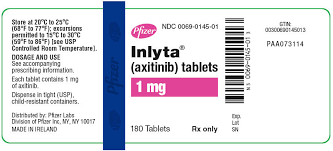
The oral administration of axitinib is simple, and treatment can usually be completed by taking it in divided doses or once a day, which is of great significance for improving patient compliance. Compared with traditional intravenous chemotherapy, patients do not need frequent hospitalization or infusions, and their quality of life is significantly improved. In addition, axitinib can be used as a single agent or in combination with other treatment options such as immune checkpoint inhibitors to provide individualized treatment options for different patients. For example, in the treatment strategy of advanced renal cancer, axitinib combined with immunotherapy may enhance the efficacy and prolong the progression-free survival of patients (PFS) and overall survival (OS).
It is worth noting that the efficacy of axitinib is closely related to individual patient factors, including previous treatment history, tumor burden, and baseline renal function status. In real-world studies, patients need to follow a standardized follow-up plan during treatment with axitinib, and adjust the dose or discontinue the drug in a timely manner to deal with possible adverse events. Scientific management of drug side effects, individualized dose adjustment and strict follow-up can help patients obtain maximum treatment benefits while ensuring safety.
Overall, axitinib has significant clinical value in the treatment of clear cell renal cell carcinoma. It can not only accurately inhibit the VEGFR signaling pathway and block tumor angiogenesis, but also effectively delay tumor progression and improve disease control rate. Combining oral convenience and relatively controllable side effects, axitinib provides a highly effective and tolerable treatment option for patients with advanced or metastatic RCC. In the future, with the accumulation of more clinical studies and real-world data, axitinib is expected to play a broader role in the treatment of kidney cancer, further optimizing patients' survival prognosis and quality of life, and providing more comprehensive targeted treatment options for kidney cancer patients.
Reference materials:https://www.drugs.com/
[ 免责声明 ] 本页面内容来自公开渠道(如FDA官网、Drugs官网、原研药厂官网等),仅供持有医疗专业资质的人员用于医学药学研究参考,不构成任何治疗建议或药品推荐。所涉药品可能未在中国大陆获批上市,不适用于中国境内销售和使用。如需治疗,请咨询正规医疗机构。本站不提供药品销售或代购服务。


