
.jpeg)
Summary of common side effects of Trametinib (Megenin) and scientific treatment methods after they occur
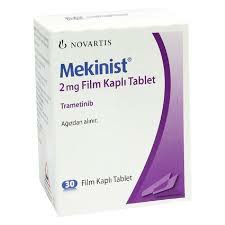
Trametinib is an oral small molecule MEK inhibitor, mainly used to treat BRAF V600 mutation-positive melanoma and some non-small cell lung cancer (NSCLC) patients. As a targeted drug, trametinib inhibits the activity of MEK kinase in the MAPK signaling pathway and blocks the phosphorylation of downstream ERK, thereby inhibiting tumor cell proliferation and inducing apoptosis. However, like all targeted drugs, trametinib may also cause a variety of side effects while exerting its anti-tumor effect. Understanding its types and scientific treatment methods is crucial for safe medication use by patients.
Skin and mucosal reactions are one of the most common side effects of trametinib, including rash, pruritus, hand-foot syndrome, and dry skin. Some patients may experience mild to moderate erythema, blisters, or scaling. Scientific treatment methods include using mild moisturizing cream and topical medications to reduce skin friction and irritation; for severe rashes, the medication can be discontinued for a short period of time or the dose can be adjusted under the guidance of a doctor. In addition, oral ulcers and dry mouth are also common mucosal reactions, and the symptoms can be relieved through topical rinses, oral care, and moderate drinking.
Cardiovascular side effects require special attention during trametinib treatment. Some patients may suffer from impaired cardiac function, decreased myocardial systolic function or prolonged QT interval, and a small number of patients may be at risk of heart failure. Therefore, it is recommended that patients undergo regular electrocardiogram (ECG) and cardiac function evaluation during medication. If cardiac abnormalities are found, the dose needs to be adjusted in time or the medication should be suspended. At the same time, increased blood pressure is also a common side effect, and blood pressure should be monitored and antihypertensive drugs used for intervention as appropriate.
Liver function and digestive system reactions are also possible side effects of trametinib, including elevated liver enzymes, nausea, vomiting, diarrhea, and decreased appetite. Treatment methods usually include regular monitoring of liver function indicators, adjustment of dosage or suspension of medication if necessary, and supportive treatment with anti-nausea, antidiarrheal or hepatoprotective drugs. Patients should pay attention to eating a light diet, avoiding irritating foods, and maintaining adequate fluid intake to reduce digestive tract discomfort.
Ophthalmic and other systemic side effects include blurred vision, macular edema, and mild fatigue. When abnormal vision occurs, you should seek medical treatment immediately. If necessary, use imaging examinations to evaluate macular edema, and adjust the treatment plan under the guidance of a doctor. In addition, some patients may experience fever, fatigue, or musculoskeletal pain, which can be relieved by rest, symptomatic treatment, and moderate exercise.
In dealing with side effects, scientific management and individualized medication are crucial. Patients should strictly follow the doctor's instructions when taking medications, conduct regular monitoring of hematology, liver and kidney function and cardiac function, and record physical discomfort in detail. Doctors will take appropriate intervention based on the monitoring results, including dose adjustment, short-term drug withdrawal, or combined supportive care. Especially for serious adverse events, they must be handled under professional guidance to avoid stopping the drug on your own or adjusting the dose at will.
Overall, trametinib has significant efficacy in the treatment of BRAF V600 mutated tumors, but its side effects are wide ranging and involve multiple systems. Through scientific and standardized management methods, such as skin care, cardiac function monitoring, liver function follow-up and timely symptomatic treatment, patients can maximize the therapeutic benefits of trametinib while ensuring the safety of medication. Fully understanding the types of side effects and coping strategies will not only help improve patient compliance, but also improve the quality of life and provide guarantee for long-term targeted therapy.
Reference materials:https://www.drugs.com/
[ 免责声明 ] 本页面内容来自公开渠道(如FDA官网、Drugs官网、原研药厂官网等),仅供持有医疗专业资质的人员用于医学药学研究参考,不构成任何治疗建议或药品推荐。所涉药品可能未在中国大陆获批上市,不适用于中国境内销售和使用。如需治疗,请咨询正规医疗机构。本站不提供药品销售或代购服务。


